Research Design
Why Thinking About Design Matters
If you’re in North America, please visit our Sage College Publishing website to purchase or sample this book:
Go to College Publishing WebsiteDescription
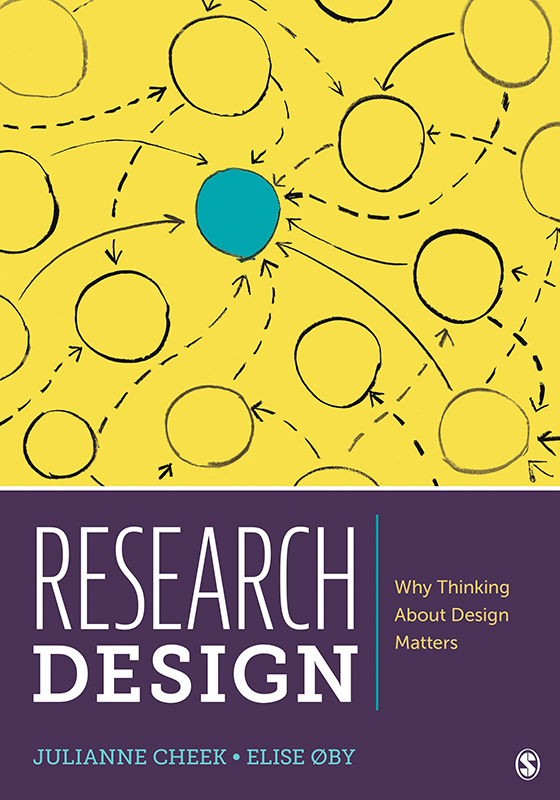
Designing research is about making decisions to transform an idea into a plan that can provide answers to a research problem or question. Thinking about, and then making these decisions results in the research design – the plan that will be followed to conduct the research and answer the question. This text engages in a dialogue with the reader, providing a serious but accessible introduction to research design, for use as a guide when designing your own research or when reading the research of others.
Julianne Cheek and Elise Øby show that designing research is an iterative and reflexive process in which there is constant thinking through, and re-visiting of, decisions about that design as it develops. They use a variety of pedagogical devices throughout the book including Tip; Activity; and Putting it into Practice boxes to emphasize specific points and encourage readers to think about the practical implications of what they have learned.
An instructor resource site at http://edge.sagepub.com/cheek1e includes editable, chapter-specific PowerPoint® slides and suggested essay questions to accompany the book.
For instructors and students: The authors discuss their book and their approaches to research design in a series of 10 video blogposts available to view here:: https://www.youtube.com/playlist?list=PLg8Hz5Alt2FopSeysIakNYMIrA9COoSkK
Julianne Cheek and Elise Øby show that designing research is an iterative and reflexive process in which there is constant thinking through, and re-visiting of, decisions about that design as it develops. They use a variety of pedagogical devices throughout the book including Tip; Activity; and Putting it into Practice boxes to emphasize specific points and encourage readers to think about the practical implications of what they have learned.
An instructor resource site at http://edge.sagepub.com/cheek1e includes editable, chapter-specific PowerPoint® slides and suggested essay questions to accompany the book.
For instructors and students: The authors discuss their book and their approaches to research design in a series of 10 video blogposts available to view here:: https://www.youtube.com/playlist?list=PLg8Hz5Alt2FopSeysIakNYMIrA9COoSkK
Contents
Chapter 1 – Research Design: What You Need to Think About and Why
- Introduction: What Is Research Design?
- Designing Research Is an Iterative Process
- Research Design: Working With the Literature
- How Do You Make Decisions About Which Literature to Trust or Rely On?
- Research Design: Considering Methodology and Methods
- Research Design: Considering Theory
- The Importance of Reflexive Thinking When Designing Research
Chapter 2 – Ethical Issues in Research Design
- What Is Research Ethics?
- Putting Informed Consent Into Practice
- Putting Confidentiality and Anonymity Into Practice
- What You Need to Think About When Reusing, Repurposing, and Sharing Data
- What You Need to Think About When Using Information on the Internet as Data
- Working With Ethics Committees
Chapter 3 – Developing Your Research Questions
- Bringing Research Questions Into Focus
- Putting the Idea of “Think Big, Plan Big, but Do a Small, Well-Contained Study”3 Into Practice.
- Using the Literature When Developing Research Questions
- Different Forms of Reasoning and How They Shape the Form That Research Questions Take
- Putting Iterative and Reflexive Research Question Development Into Practice—Learning From Others
- Scratching the Underbelly of Research Design: Developing Clear Research Question(s). Reflections by Maxi Miciak and Christine Daum.7
Chapter 4 – Why Methodology Matters When Designing Research
- Thinking Methodologically
- Data: A Concept Shaped by Methodological Assumptions
- Paradigms: Sets of Basic Beliefs That Guide Methodological Thinking
- Onto-Epistemological Derived Assumptions Underpin Methodological Thinking
- Inquiry Paradigms and How They Connect to Methodological Thinking
- Inquiry Paradigms Affect Thinking About Whether Research Is Credible
- The Importance of Asking Methodological Questions of Your Research Design
Chapter 5 – Qualitative and Quantitative Approaches to Designing Research
- Qualitative and Quantitative Research Strategies
- Common Features Associated With Quantitative and Qualitative Approaches
- Variation Within Quantitative and Qualitative Research Approaches
- Which Are Better: Qualitative or Quantitative Research Approaches?
Chapter 6 – Obtaining Data Using Qualitative Approaches
- Qualitative Methods Are Not Stand-Alone Data Collection Techniques
- Different Qualitative Methods Use Different Strategies of Inquiry
- How Structured Will Your Qualitative Interviews Be and Why?
- Will You Interview Your Participants Individually or in Some Form of Group and Why?
- What Will You Ask Your Participants in the Interview and Why?
- Who Will You Interview and Why?
Chapter 7 – Analyzing and Interpreting Qualitative Data
- Analysis of Qualitative Data: An Iterative and Dynamic Strategy
- When Does Analysis “Begin” When Designing and Conducting Qualitative Research?
- Developing an Iterative Qualitatively Driven Analytic Strategy
- Coding—A Strategy to Condense Your Data
- More Choices and Decisions to Make When Putting Coding Into Practice
- The Art of Interpretation
- Collecting and Analyzing Data—When Do You Know That You Are “Done”?
Chapter 8 – Foundational Design Issues When Using Quantitative Methods
- What You Need to Think About in Order to Design Credible Quantitative Research
- Where to Begin? Deciding Who You Will Collect Numerical Data From and Why
- Choosing an Analysis Procedure Suitable for Answering Your Research Question
- What Types of Data Are There?
- How Different Types of Data Enable Different Types of Knowledge
Chapter 9 – Collecting Data Using Quantiative Methods
- Measuring Variables to Enable Valid Research Findings
- Making Sure the Measurements You Make Measure What They Claim to
- Taking a Closer Look at What Enables Variables to Be Measured
- How to Make Abstract Variables Measurable
- Developing a Measurement Instrument
- Putting a Measurement Instrument Into Practice
Chapter 10 – Designing Research Using Mixed Methods
- What Is a Mixed Methods Research Approach?
- Why Use a Mixed Methods Research Design?
- Priority and Timing of the Components in a Mixed Methods Study
- An Example of How to Connect Purpose, Priority, and Timing and Why This Matters
- Mixing—A Central Consideration in Mixed Methods Research
- Strategies for Navigating the Complex and Contested Field of Mixed Methods Research
Chapter 11 – Why Knowing and Declaring Your Research Design Hand Matters
- Knowing and Declaring What Your Research Design Related Hand Is
- Declaring Your Hand: Missing in Action in Much of the Reporting of Research
- How to Declare Your Research Hand: Circling Back to Tell the Story of the Designing of Your Research
- Capturing All This in a Diagram of Some Sort
Description
Designing research is about making decisions to transform an idea into a plan that can provide answers to a research problem or question. Thinking about, and then making these decisions results in the research design – the plan that will be followed to conduct the research and answer the question. This text engages in a dialogue with the reader, providing a serious but accessible introduction to research design, for use as a guide when designing your own research or when reading the research of others.
Julianne Cheek and Elise Øby show that designing research is an iterative and reflexive process in which there is constant thinking through, and re-visiting of, decisions about that design as it develops. They use a variety of pedagogical devices throughout the book including Tip; Activity; and Putting it into Practice boxes to emphasize specific points and encourage readers to think about the practical implications of what they have learned.
An instructor resource site at http://edge.sagepub.com/cheek1e includes editable, chapter-specific PowerPoint® slides and suggested essay questions to accompany the book.
For instructors and students: The authors discuss their book and their approaches to research design in a series of 10 video blogposts available to view here:: https://www.youtube.com/playlist?list=PLg8Hz5Alt2FopSeysIakNYMIrA9COoSkK
Julianne Cheek and Elise Øby show that designing research is an iterative and reflexive process in which there is constant thinking through, and re-visiting of, decisions about that design as it develops. They use a variety of pedagogical devices throughout the book including Tip; Activity; and Putting it into Practice boxes to emphasize specific points and encourage readers to think about the practical implications of what they have learned.
An instructor resource site at http://edge.sagepub.com/cheek1e includes editable, chapter-specific PowerPoint® slides and suggested essay questions to accompany the book.
For instructors and students: The authors discuss their book and their approaches to research design in a series of 10 video blogposts available to view here:: https://www.youtube.com/playlist?list=PLg8Hz5Alt2FopSeysIakNYMIrA9COoSkK
Contents
Chapter 1 – Research Design: What You Need to Think About and Why
- Introduction: What Is Research Design?
- Designing Research Is an Iterative Process
- Research Design: Working With the Literature
- How Do You Make Decisions About Which Literature to Trust or Rely On?
- Research Design: Considering Methodology and Methods
- Research Design: Considering Theory
- The Importance of Reflexive Thinking When Designing Research
Chapter 2 – Ethical Issues in Research Design
- What Is Research Ethics?
- Putting Informed Consent Into Practice
- Putting Confidentiality and Anonymity Into Practice
- What You Need to Think About When Reusing, Repurposing, and Sharing Data
- What You Need to Think About When Using Information on the Internet as Data
- Working With Ethics Committees
Chapter 3 – Developing Your Research Questions
- Bringing Research Questions Into Focus
- Putting the Idea of “Think Big, Plan Big, but Do a Small, Well-Contained Study”3 Into Practice.
- Using the Literature When Developing Research Questions
- Different Forms of Reasoning and How They Shape the Form That Research Questions Take
- Putting Iterative and Reflexive Research Question Development Into Practice—Learning From Others
- Scratching the Underbelly of Research Design: Developing Clear Research Question(s). Reflections by Maxi Miciak and Christine Daum.7
Chapter 4 – Why Methodology Matters When Designing Research
- Thinking Methodologically
- Data: A Concept Shaped by Methodological Assumptions
- Paradigms: Sets of Basic Beliefs That Guide Methodological Thinking
- Onto-Epistemological Derived Assumptions Underpin Methodological Thinking
- Inquiry Paradigms and How They Connect to Methodological Thinking
- Inquiry Paradigms Affect Thinking About Whether Research Is Credible
- The Importance of Asking Methodological Questions of Your Research Design
Chapter 5 – Qualitative and Quantitative Approaches to Designing Research
- Qualitative and Quantitative Research Strategies
- Common Features Associated With Quantitative and Qualitative Approaches
- Variation Within Quantitative and Qualitative Research Approaches
- Which Are Better: Qualitative or Quantitative Research Approaches?
Chapter 6 – Obtaining Data Using Qualitative Approaches
- Qualitative Methods Are Not Stand-Alone Data Collection Techniques
- Different Qualitative Methods Use Different Strategies of Inquiry
- How Structured Will Your Qualitative Interviews Be and Why?
- Will You Interview Your Participants Individually or in Some Form of Group and Why?
- What Will You Ask Your Participants in the Interview and Why?
- Who Will You Interview and Why?
Chapter 7 – Analyzing and Interpreting Qualitative Data
- Analysis of Qualitative Data: An Iterative and Dynamic Strategy
- When Does Analysis “Begin” When Designing and Conducting Qualitative Research?
- Developing an Iterative Qualitatively Driven Analytic Strategy
- Coding—A Strategy to Condense Your Data
- More Choices and Decisions to Make When Putting Coding Into Practice
- The Art of Interpretation
- Collecting and Analyzing Data—When Do You Know That You Are “Done”?
Chapter 8 – Foundational Design Issues When Using Quantitative Methods
- What You Need to Think About in Order to Design Credible Quantitative Research
- Where to Begin? Deciding Who You Will Collect Numerical Data From and Why
- Choosing an Analysis Procedure Suitable for Answering Your Research Question
- What Types of Data Are There?
- How Different Types of Data Enable Different Types of Knowledge
Chapter 9 – Collecting Data Using Quantiative Methods
- Measuring Variables to Enable Valid Research Findings
- Making Sure the Measurements You Make Measure What They Claim to
- Taking a Closer Look at What Enables Variables to Be Measured
- How to Make Abstract Variables Measurable
- Developing a Measurement Instrument
- Putting a Measurement Instrument Into Practice
Chapter 10 – Designing Research Using Mixed Methods
- What Is a Mixed Methods Research Approach?
- Why Use a Mixed Methods Research Design?
- Priority and Timing of the Components in a Mixed Methods Study
- An Example of How to Connect Purpose, Priority, and Timing and Why This Matters
- Mixing—A Central Consideration in Mixed Methods Research
- Strategies for Navigating the Complex and Contested Field of Mixed Methods Research
Chapter 11 – Why Knowing and Declaring Your Research Design Hand Matters
- Knowing and Declaring What Your Research Design Related Hand Is
- Declaring Your Hand: Missing in Action in Much of the Reporting of Research
- How to Declare Your Research Hand: Circling Back to Tell the Story of the Designing of Your Research
- Capturing All This in a Diagram of Some Sort
Reviews

April 2023 | 352 pages | Sage US
| Format | Published Date | ISBN | Price |
|---|
Designing research is about making decisions to transform an idea into a plan that can provide answers to a research problem or question. Thinking about, and then making these decisions results in the research design – the plan that will be followed to conduct the research and answer the question. This text engages in a dialogue with the reader, providing a serious but accessible introduction to research design, for use as a guide when designing your own research or when reading the research of others.
Julianne Cheek and Elise Øby show that designing research is an iterative and reflexive process in which there is constant thinking through, and re-visiting of, decisions about that design as it develops. They use a variety of pedagogical devices throughout the book including Tip; Activity; and Putting it into Practice boxes to emphasize specific points and encourage readers to think about the practical implications of what they have learned.
An instructor resource site at http://edge.sagepub.com/cheek1e includes editable, chapter-specific PowerPoint® slides and suggested essay questions to accompany the book.
For instructors and students: The authors discuss their book and their approaches to research design in a series of 10 video blogposts available to view here:: https://www.youtube.com/playlist?list=PLg8Hz5Alt2FopSeysIakNYMIrA9COoSkK
Julianne Cheek and Elise Øby show that designing research is an iterative and reflexive process in which there is constant thinking through, and re-visiting of, decisions about that design as it develops. They use a variety of pedagogical devices throughout the book including Tip; Activity; and Putting it into Practice boxes to emphasize specific points and encourage readers to think about the practical implications of what they have learned.
An instructor resource site at http://edge.sagepub.com/cheek1e includes editable, chapter-specific PowerPoint® slides and suggested essay questions to accompany the book.
For instructors and students: The authors discuss their book and their approaches to research design in a series of 10 video blogposts available to view here:: https://www.youtube.com/playlist?list=PLg8Hz5Alt2FopSeysIakNYMIrA9COoSkK
Table Of Contents:
- Chapter 1 – Research Design: What You Need to Think About and Why
- Introduction: What Is Research Design?
- Designing Research Is an Iterative Process
- Research Design: Working With the Literature
- How Do You Make Decisions About Which Literature to Trust or Rely On?
- Research Design: Considering Methodology and Methods
- Research Design: Considering Theory
- The Importance of Reflexive Thinking When Designing Research
- Chapter 2 – Ethical Issues in Research Design
- What Is Research Ethics?
- Putting Informed Consent Into Practice
- Putting Confidentiality and Anonymity Into Practice
- What You Need to Think About When Reusing, Repurposing, and Sharing Data
- What You Need to Think About When Using Information on the Internet as Data
- Working With Ethics Committees
- Chapter 3 – Developing Your Research Questions
- Bringing Research Questions Into Focus
- Putting the Idea of “Think Big, Plan Big, but Do a Small, Well-Contained Study”3 Into Practice.
- Using the Literature When Developing Research Questions
- Different Forms of Reasoning and How They Shape the Form That Research Questions Take
- Putting Iterative and Reflexive Research Question Development Into Practice—Learning From Others
- Scratching the Underbelly of Research Design: Developing Clear Research Question(s). Reflections by Maxi Miciak and Christine Daum.7
- Chapter 4 – Why Methodology Matters When Designing Research
- Thinking Methodologically
- Data: A Concept Shaped by Methodological Assumptions
- Paradigms: Sets of Basic Beliefs That Guide Methodological Thinking
- Onto-Epistemological Derived Assumptions Underpin Methodological Thinking
- Inquiry Paradigms and How They Connect to Methodological Thinking
- Inquiry Paradigms Affect Thinking About Whether Research Is Credible
- The Importance of Asking Methodological Questions of Your Research Design
- Chapter 5 – Qualitative and Quantitative Approaches to Designing Research
- Qualitative and Quantitative Research Strategies
- Common Features Associated With Quantitative and Qualitative Approaches
- Variation Within Quantitative and Qualitative Research Approaches
- Which Are Better: Qualitative or Quantitative Research Approaches?
- Chapter 6 – Obtaining Data Using Qualitative Approaches
- Qualitative Methods Are Not Stand-Alone Data Collection Techniques
- Different Qualitative Methods Use Different Strategies of Inquiry
- How Structured Will Your Qualitative Interviews Be and Why?
- Will You Interview Your Participants Individually or in Some Form of Group and Why?
- What Will You Ask Your Participants in the Interview and Why?
- Who Will You Interview and Why?
- Chapter 7 – Analyzing and Interpreting Qualitative Data
- Analysis of Qualitative Data: An Iterative and Dynamic Strategy
- When Does Analysis “Begin” When Designing and Conducting Qualitative Research?
- Developing an Iterative Qualitatively Driven Analytic Strategy
- Coding—A Strategy to Condense Your Data
- More Choices and Decisions to Make When Putting Coding Into Practice
- The Art of Interpretation
- Collecting and Analyzing Data—When Do You Know That You Are “Done”?
- Chapter 8 – Foundational Design Issues When Using Quantitative Methods
- What You Need to Think About in Order to Design Credible Quantitative Research
- Where to Begin? Deciding Who You Will Collect Numerical Data From and Why
- Choosing an Analysis Procedure Suitable for Answering Your Research Question
- What Types of Data Are There?
- How Different Types of Data Enable Different Types of Knowledge
- Chapter 9 – Collecting Data Using Quantiative Methods
- Measuring Variables to Enable Valid Research Findings
- Making Sure the Measurements You Make Measure What They Claim to
- Taking a Closer Look at What Enables Variables to Be Measured
- How to Make Abstract Variables Measurable
- Developing a Measurement Instrument
- Putting a Measurement Instrument Into Practice
- Chapter 10 – Designing Research Using Mixed Methods
- What Is a Mixed Methods Research Approach?
- Why Use a Mixed Methods Research Design?
- Priority and Timing of the Components in a Mixed Methods Study
- An Example of How to Connect Purpose, Priority, and Timing and Why This Matters
- Mixing—A Central Consideration in Mixed Methods Research
- Strategies for Navigating the Complex and Contested Field of Mixed Methods Research
- Chapter 11 – Why Knowing and Declaring Your Research Design Hand Matters
- Knowing and Declaring What Your Research Design Related Hand Is
- Declaring Your Hand: Missing in Action in Much of the Reporting of Research
- How to Declare Your Research Hand: Circling Back to Tell the Story of the Designing of Your Research
- Capturing All This in a Diagram of Some Sort
Recent Product Reviews:
This is one of the clearest and most accessible research methods books I have read as a scholar. I highly recommend for both students and teachers alike. It is an excellent survey of both qualitative and quantitative research methods.
Natalie Danielle Baker, Sam Houston State University
Students writing a thesis or dissertation will benefit from this text's approach to the development of and design of research. It provides a strong theoretical understanding of the process of moving from an idea to a research proposal to the final research project. A good addition to the library of someone who is doing research.
Hugh Clark, Florida Gulf Coast University
This book provides a detailed outline of research methods. The authors break the concepts and content into a manner in which it is easily understood by the reader. They also provide activities for the reader to use to apply the content.
Jaimee L. Hartenstein, University of Central Missouri
The authors describe the complexities of research and clearly describe the many details that go into a well-designed and executed study. They have done an amazing job describing the process of research design. Any student learning about research will benefit from this book.
Lauren Hays, University of Central Missouri
This is an excellent text for those instructors who recognize the importance of giving research design more comprehensive treatment than is typical of most textbooks.
Scott Liebertz, University of South Alabama