If you’re in North America, please visit our Sage College Publishing website to purchase or sample this book:
Go to College Publishing WebsiteDescription
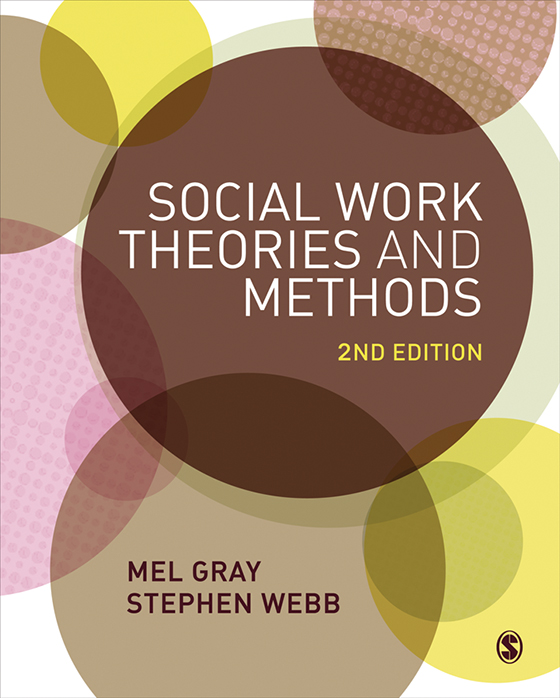
The Second Edition of this celebrated book by two of the world's leading researchers in social work introduces readers to the main theories, theorists and perspectives that contribute to the debate on social work theory and social work methods. It brings together some outstanding international researchers in social work to challenge the reader to critically question how they think about social work.
The new edition includes a focus on the psychosocial perspective, with three new chapters on:
- Cognitive behavioral approaches
- Attachment theory and psychoanalytic social work
- Ecological approaches
Each chapter allows the reader to relate the theories and methods discussed to their own personal experiences. This reader friendly book includes student questions, glossaries and recommended reading so that students and practitioners can reappraise and expand the knowledge they have learned.
This book will be valuable for undergraduate and graduate students taking courses in social work theory and research methods, social work interventions and perspectives as well as post qualifying students and researchers in social work.
Contents
Introduction
Introduction
PART ONE: THEORISTS
- Jurgen Habermas
- Anthony Giddens
- Pierre Bourdieu
- Michel Foucault
- Judith Butler
PART TWO: THEORIES
- Attachment theory
- Feminist social work
- Critical social work
- Structural social work
- Multiculturalism
- Neoliberalism
- Postmodern social work
PART THREE: PERSPECTIVES FOR PRACTICE
- Cognitive-behavioural approach
- Ecological approach
- Social network analysis
- Ethnography
- Ethnomethodology
- Discourse and reflexivity
- Evidence-based practice
- Ways of knowing
Description
The Second Edition of this celebrated book by two of the world's leading researchers in social work introduces readers to the main theories, theorists and perspectives that contribute to the debate on social work theory and social work methods. It brings together some outstanding international researchers in social work to challenge the reader to critically question how they think about social work.
The new edition includes a focus on the psychosocial perspective, with three new chapters on:
- Cognitive behavioral approaches
- Attachment theory and psychoanalytic social work
- Ecological approaches
Each chapter allows the reader to relate the theories and methods discussed to their own personal experiences. This reader friendly book includes student questions, glossaries and recommended reading so that students and practitioners can reappraise and expand the knowledge they have learned.
This book will be valuable for undergraduate and graduate students taking courses in social work theory and research methods, social work interventions and perspectives as well as post qualifying students and researchers in social work.
Contents
Introduction
Introduction
PART ONE: THEORISTS
- Jurgen Habermas
- Anthony Giddens
- Pierre Bourdieu
- Michel Foucault
- Judith Butler
PART TWO: THEORIES
- Attachment theory
- Feminist social work
- Critical social work
- Structural social work
- Multiculturalism
- Neoliberalism
- Postmodern social work
PART THREE: PERSPECTIVES FOR PRACTICE
- Cognitive-behavioural approach
- Ecological approach
- Social network analysis
- Ethnography
- Ethnomethodology
- Discourse and reflexivity
- Evidence-based practice
- Ways of knowing
Reviews

December 2012 | 320 pages | Sage UK
| Format | Published Date | ISBN | Price |
|---|
The Second Edition of this celebrated book by two of the world's leading researchers in social work introduces readers to the main theories, theorists and perspectives that contribute to the debate on social work theory and social work methods. It brings together some outstanding international researchers in social work to challenge the reader to critically question how they think about social work.
The new edition includes a focus on the psychosocial perspective, with three new chapters on:
- Cognitive behavioral approaches
- Attachment theory and psychoanalytic social work
- Ecological approaches
Each chapter allows the reader to relate the theories and methods discussed to their own personal experiences. This reader friendly book includes student questions, glossaries and recommended reading so that students and practitioners can reappraise and expand the knowledge they have learned.
This book will be valuable for undergraduate and graduate students taking courses in social work theory and research methods, social work interventions and perspectives as well as post qualifying students and researchers in social work.
Table Of Contents:
- Introduction
- PART ONE: THEORISTS
- Jurgen Habermas
- Anthony Giddens
- Pierre Bourdieu
- Michel Foucault
- Judith Butler
- PART TWO: THEORIES
- Attachment theory
- Feminist social work
- Critical social work
- Structural social work
- Multiculturalism
- Neoliberalism
- Postmodern social work
- PART THREE: PERSPECTIVES FOR PRACTICE
- Cognitive-behavioural approach
- Ecological approach
- Social network analysis
- Ethnography
- Ethnomethodology
- Discourse and reflexivity
- Evidence-based practice
- Ways of knowing