If you’re in North America, please visit our Sage College Publishing website to purchase or sample this book:
Go to College Publishing WebsiteDescription
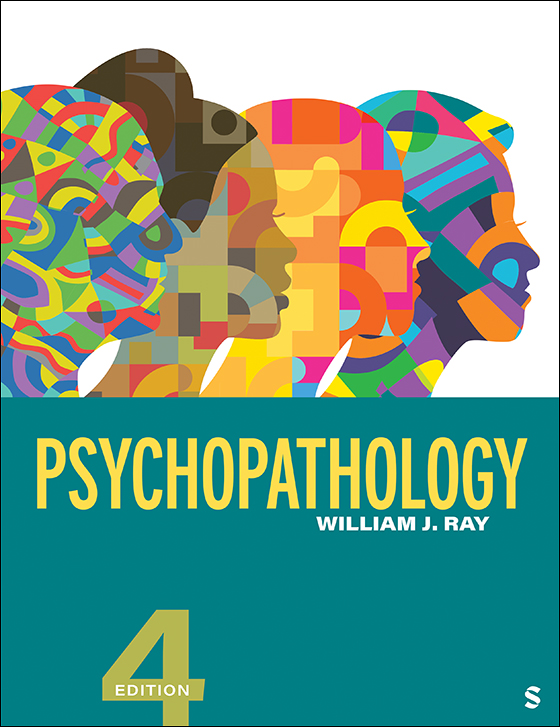
In Psychopathology, Fourth Edition, best-selling author William J. Ray brings together current perspectives concerning the manner in which the human mind, behavior, and experience can be understood. In addition to the traditional psychological literature, this book draws from work in the cognitive and affective neurosciences, epidemiology, ethology, and genetics. Ray focuses on unifying and integrating the biopsychosocial understandings of human behavior within a broader consideration of human culture and language as it applies to psychopathology.
This text is offered in Sage Vantage, an intuitive learning platform that integrates quality Sage textbook content with assignable multimedia activities and auto-graded assessments to drive student engagement and ensure accountability. Unparalleled in its ease of use and built for dynamic teaching and learning, Vantage offers customizable LMS integration and best-in-class support.
Watch this video walkthrough and see how Vantage works:
This text is offered in Sage Vantage, an intuitive learning platform that integrates quality Sage textbook content with assignable multimedia activities and auto-graded assessments to drive student engagement and ensure accountability. Unparalleled in its ease of use and built for dynamic teaching and learning, Vantage offers customizable LMS integration and best-in-class support.
Watch this video walkthrough and see how Vantage works:
| |
Contents
Chapter 1: An Overview of Psychopathology and Changing Conceptualizations of Mental Illness
- Understanding Psychopathology: Definitions and Key Considerations
- The Three Major Themes of This Book
- The Relation of Evolution and Culture to Psychopathology
- Historical Considerations in Understanding Psychopathology
- Discovering the Function of the Brain in Behavior and Psychopathology
- Historical Approaches to Care for Those With Mental Disorders
- Biological Approaches to Treating Mental Illness
- Psychological Treatment Perspectives in the 20th and 21st Centuries
Chapter 2: Neuroscience Approaches to Understanding Psychopathology
- The Growing Importance of Neuroscience, Genetics, and an Evolutionary Perspective
- Brain Anatomy, Neurons, and Neurotransmitters
- How Do We Observe the Brain at Work?
- Networks of the Brain
- Genetics and Psychopathology
- Evolution and Psychopathology
Chapter 3: Research Methods
- What Is Science?
- Nonexperimental Methods of Psychological Research
- The Experimental Method: Making It Happen
- Designing an Experimental Study
- Other Types of Experimental Designs and Research Considerations
- Ethics and the Scientific Experiment
Chapter 4: Assessment and Classification of Psychological Disorders
- Initial Assessment and the Mental Status Exam
- Structured Interviews and Assessment Considerations
- Models of Assessment
- Diagnostic Considerations in Psychopathology
- Classification Systems for Mental Disorders
Chapter 5: Childhood and Adolescent-Onset Disorders
- Important Aspects of Normal Childhood Development
- Attachment Disorders, Conduct Disorder, and Oppositional Defiant Disorder
- Autism Spectrum Disorder
- Attention Deficit/Hyperactivity Disorder and Learning Disorders
- Intellectual Developmental Disorder
Chapter 6: Mood Disorders
- Introducing Mood Disorders
- Major Depressive Disorder
- Bipolar Disorder
- Suicide
Chapter 7: Stress, Trauma, and PTSD
- Psychological Stress and Psychopathology
- The Physiological Mechanisms Related to Stress and Trauma
- The Study of Stress
- Adjustment Disorders, Acute Stress Disorder, and Prolonged Grief Disorder
- Post-Traumatic Stress Disorder
Chapter 8: Anxiety Disorders and Obsessive-Compulsive Disorders
- Overview of Anxiety Disorders
- Major Types of Anxiety Disorders
- Phobias and Panic Disorder
- Obsessive-Compulsive Disorder
Chapter 9: Dissociative Disorders and Somatic Symptom Disorders
- What Is Dissociation?
- Dissociative Disorders
- Somatic Symptom and Related Disorders
Chapter 10: Eating Disorders
- Feeding Disorders
- Obesity
- Overview of Eating Disorders
- Anorexia Nervosa
- Bulimia Nervosa and Binge Eating Disorder
Chapter 11: Sexual Disorders, Paraphilic Disorders, and Gender Dysphoria
- Sexuality in Context
- Sexual Desire, Arousal, and Response
- Sexual Dysfunction Disorders
- Paraphilic Disorders
- Gender Dysphoria
Chapter 12: Substance-Related and Addictive Disorders
- Drug Use in the United States
- Disordered Substance Use, Dependence, and Addiction
- Alcohol
- Cannabis, Hallucinogens, and Opioids
- Stimulants: Cocaine, Amphetamines, Caffeine, and Nicotine
- Gambling
- Treatment of Substance-Related Disorders
Chapter 13: Schizophrenia
- Schizophrenia Basics: Prevalence, Course, and Symptoms
- Historical and Evolutionary Perspectives on Schizophrenia
- Factors in the Development of Schizophrenia
- Causes and Effects: Neuroscience Findings About Schizophrenia
- Treating Individuals With Schizophrenia
Chapter 14: Personality Disorders
- Personality Disorders and Personality
- Odd, Eccentric Personality Disorders
- Dramatic Emotional Personality Disorders
- Anxious Fearful Personality Disorders
- Treatment of Personality Disorders
Chapter 15: Neurocognitive Disorders
- Normal Cognitive Changes Related to Aging
- Categories of Neurocognitive Disorders
- Neurocognitive Disorder Due to Alzheimer’s Disease
- Other Causes of Neurocognitive Disorder
- Prevention, Treatment, and Support
Chapter 16: The Law and Mental Health
- The American Legal System and the Insanity Defense
- Legal Competence: Standing Trial and Making Decisions
- Ethical and Legal Issues in Mental Health Treatment
- Sexual Predator Laws
- Neuroscience and Evolutionary Perspectives on the Legal Aspects of Psychopathology
Description
In Psychopathology, Fourth Edition, best-selling author William J. Ray brings together current perspectives concerning the manner in which the human mind, behavior, and experience can be understood. In addition to the traditional psychological literature, this book draws from work in the cognitive and affective neurosciences, epidemiology, ethology, and genetics. Ray focuses on unifying and integrating the biopsychosocial understandings of human behavior within a broader consideration of human culture and language as it applies to psychopathology.
This text is offered in Sage Vantage, an intuitive learning platform that integrates quality Sage textbook content with assignable multimedia activities and auto-graded assessments to drive student engagement and ensure accountability. Unparalleled in its ease of use and built for dynamic teaching and learning, Vantage offers customizable LMS integration and best-in-class support.
Watch this video walkthrough and see how Vantage works:
This text is offered in Sage Vantage, an intuitive learning platform that integrates quality Sage textbook content with assignable multimedia activities and auto-graded assessments to drive student engagement and ensure accountability. Unparalleled in its ease of use and built for dynamic teaching and learning, Vantage offers customizable LMS integration and best-in-class support.
Watch this video walkthrough and see how Vantage works:
| |
Contents
Chapter 1: An Overview of Psychopathology and Changing Conceptualizations of Mental Illness
- Understanding Psychopathology: Definitions and Key Considerations
- The Three Major Themes of This Book
- The Relation of Evolution and Culture to Psychopathology
- Historical Considerations in Understanding Psychopathology
- Discovering the Function of the Brain in Behavior and Psychopathology
- Historical Approaches to Care for Those With Mental Disorders
- Biological Approaches to Treating Mental Illness
- Psychological Treatment Perspectives in the 20th and 21st Centuries
Chapter 2: Neuroscience Approaches to Understanding Psychopathology
- The Growing Importance of Neuroscience, Genetics, and an Evolutionary Perspective
- Brain Anatomy, Neurons, and Neurotransmitters
- How Do We Observe the Brain at Work?
- Networks of the Brain
- Genetics and Psychopathology
- Evolution and Psychopathology
Chapter 3: Research Methods
- What Is Science?
- Nonexperimental Methods of Psychological Research
- The Experimental Method: Making It Happen
- Designing an Experimental Study
- Other Types of Experimental Designs and Research Considerations
- Ethics and the Scientific Experiment
Chapter 4: Assessment and Classification of Psychological Disorders
- Initial Assessment and the Mental Status Exam
- Structured Interviews and Assessment Considerations
- Models of Assessment
- Diagnostic Considerations in Psychopathology
- Classification Systems for Mental Disorders
Chapter 5: Childhood and Adolescent-Onset Disorders
- Important Aspects of Normal Childhood Development
- Attachment Disorders, Conduct Disorder, and Oppositional Defiant Disorder
- Autism Spectrum Disorder
- Attention Deficit/Hyperactivity Disorder and Learning Disorders
- Intellectual Developmental Disorder
Chapter 6: Mood Disorders
- Introducing Mood Disorders
- Major Depressive Disorder
- Bipolar Disorder
- Suicide
Chapter 7: Stress, Trauma, and PTSD
- Psychological Stress and Psychopathology
- The Physiological Mechanisms Related to Stress and Trauma
- The Study of Stress
- Adjustment Disorders, Acute Stress Disorder, and Prolonged Grief Disorder
- Post-Traumatic Stress Disorder
Chapter 8: Anxiety Disorders and Obsessive-Compulsive Disorders
- Overview of Anxiety Disorders
- Major Types of Anxiety Disorders
- Phobias and Panic Disorder
- Obsessive-Compulsive Disorder
Chapter 9: Dissociative Disorders and Somatic Symptom Disorders
- What Is Dissociation?
- Dissociative Disorders
- Somatic Symptom and Related Disorders
Chapter 10: Eating Disorders
- Feeding Disorders
- Obesity
- Overview of Eating Disorders
- Anorexia Nervosa
- Bulimia Nervosa and Binge Eating Disorder
Chapter 11: Sexual Disorders, Paraphilic Disorders, and Gender Dysphoria
- Sexuality in Context
- Sexual Desire, Arousal, and Response
- Sexual Dysfunction Disorders
- Paraphilic Disorders
- Gender Dysphoria
Chapter 12: Substance-Related and Addictive Disorders
- Drug Use in the United States
- Disordered Substance Use, Dependence, and Addiction
- Alcohol
- Cannabis, Hallucinogens, and Opioids
- Stimulants: Cocaine, Amphetamines, Caffeine, and Nicotine
- Gambling
- Treatment of Substance-Related Disorders
Chapter 13: Schizophrenia
- Schizophrenia Basics: Prevalence, Course, and Symptoms
- Historical and Evolutionary Perspectives on Schizophrenia
- Factors in the Development of Schizophrenia
- Causes and Effects: Neuroscience Findings About Schizophrenia
- Treating Individuals With Schizophrenia
Chapter 14: Personality Disorders
- Personality Disorders and Personality
- Odd, Eccentric Personality Disorders
- Dramatic Emotional Personality Disorders
- Anxious Fearful Personality Disorders
- Treatment of Personality Disorders
Chapter 15: Neurocognitive Disorders
- Normal Cognitive Changes Related to Aging
- Categories of Neurocognitive Disorders
- Neurocognitive Disorder Due to Alzheimer’s Disease
- Other Causes of Neurocognitive Disorder
- Prevention, Treatment, and Support
Chapter 16: The Law and Mental Health
- The American Legal System and the Insanity Defense
- Legal Competence: Standing Trial and Making Decisions
- Ethical and Legal Issues in Mental Health Treatment
- Sexual Predator Laws
- Neuroscience and Evolutionary Perspectives on the Legal Aspects of Psychopathology
Reviews

January 2024 | 792 pages | Sage US
| Format | Published Date | ISBN | Price |
|---|
In Psychopathology, Fourth Edition, best-selling author William J. Ray brings together current perspectives concerning the manner in which the human mind, behavior, and experience can be understood. In addition to the traditional psychological literature, this book draws from work in the cognitive and affective neurosciences, epidemiology, ethology, and genetics. Ray focuses on unifying and integrating the biopsychosocial understandings of human behavior within a broader consideration of human culture and language as it applies to psychopathology.
This text is offered in Sage Vantage, an intuitive learning platform that integrates quality Sage textbook content with assignable multimedia activities and auto-graded assessments to drive student engagement and ensure accountability. Unparalleled in its ease of use and built for dynamic teaching and learning, Vantage offers customizable LMS integration and best-in-class support.
Watch this video walkthrough and see how Vantage works:
This text is offered in Sage Vantage, an intuitive learning platform that integrates quality Sage textbook content with assignable multimedia activities and auto-graded assessments to drive student engagement and ensure accountability. Unparalleled in its ease of use and built for dynamic teaching and learning, Vantage offers customizable LMS integration and best-in-class support.
Watch this video walkthrough and see how Vantage works:
| |
Table Of Contents:
- Chapter 1: An Overview of Psychopathology and Changing Conceptualizations of Mental Illness
- Understanding Psychopathology: Definitions and Key Considerations
- The Three Major Themes of This Book
- The Relation of Evolution and Culture to Psychopathology
- Historical Considerations in Understanding Psychopathology
- Discovering the Function of the Brain in Behavior and Psychopathology
- Historical Approaches to Care for Those With Mental Disorders
- Biological Approaches to Treating Mental Illness
- Psychological Treatment Perspectives in the 20th and 21st Centuries
- Chapter 2: Neuroscience Approaches to Understanding Psychopathology
- The Growing Importance of Neuroscience, Genetics, and an Evolutionary Perspective
- Brain Anatomy, Neurons, and Neurotransmitters
- How Do We Observe the Brain at Work?
- Networks of the Brain
- Genetics and Psychopathology
- Evolution and Psychopathology
- Chapter 3: Research Methods
- What Is Science?
- Nonexperimental Methods of Psychological Research
- The Experimental Method: Making It Happen
- Designing an Experimental Study
- Other Types of Experimental Designs and Research Considerations
- Ethics and the Scientific Experiment
- Chapter 4: Assessment and Classification of Psychological Disorders
- Initial Assessment and the Mental Status Exam
- Structured Interviews and Assessment Considerations
- Models of Assessment
- Diagnostic Considerations in Psychopathology
- Classification Systems for Mental Disorders
- Chapter 5: Childhood and Adolescent-Onset Disorders
- Important Aspects of Normal Childhood Development
- Attachment Disorders, Conduct Disorder, and Oppositional Defiant Disorder
- Autism Spectrum Disorder
- Attention Deficit/Hyperactivity Disorder and Learning Disorders
- Intellectual Developmental Disorder
- Chapter 6: Mood Disorders
- Introducing Mood Disorders
- Major Depressive Disorder
- Bipolar Disorder
- Suicide
- Chapter 7: Stress, Trauma, and PTSD
- Psychological Stress and Psychopathology
- The Physiological Mechanisms Related to Stress and Trauma
- The Study of Stress
- Adjustment Disorders, Acute Stress Disorder, and Prolonged Grief Disorder
- Post-Traumatic Stress Disorder
- Chapter 8: Anxiety Disorders and Obsessive-Compulsive Disorders
- Overview of Anxiety Disorders
- Major Types of Anxiety Disorders
- Phobias and Panic Disorder
- Obsessive-Compulsive Disorder
- Chapter 9: Dissociative Disorders and Somatic Symptom Disorders
- What Is Dissociation?
- Dissociative Disorders
- Somatic Symptom and Related Disorders
- Chapter 10: Eating Disorders
- Feeding Disorders
- Obesity
- Overview of Eating Disorders
- Anorexia Nervosa
- Bulimia Nervosa and Binge Eating Disorder
- Chapter 11: Sexual Disorders, Paraphilic Disorders, and Gender Dysphoria
- Sexuality in Context
- Sexual Desire, Arousal, and Response
- Sexual Dysfunction Disorders
- Paraphilic Disorders
- Gender Dysphoria
- Chapter 12: Substance-Related and Addictive Disorders
- Drug Use in the United States
- Disordered Substance Use, Dependence, and Addiction
- Alcohol
- Cannabis, Hallucinogens, and Opioids
- Stimulants: Cocaine, Amphetamines, Caffeine, and Nicotine
- Gambling
- Treatment of Substance-Related Disorders
- Chapter 13: Schizophrenia
- Schizophrenia Basics: Prevalence, Course, and Symptoms
- Historical and Evolutionary Perspectives on Schizophrenia
- Factors in the Development of Schizophrenia
- Causes and Effects: Neuroscience Findings About Schizophrenia
- Treating Individuals With Schizophrenia
- Chapter 14: Personality Disorders
- Personality Disorders and Personality
- Odd, Eccentric Personality Disorders
- Dramatic Emotional Personality Disorders
- Anxious Fearful Personality Disorders
- Treatment of Personality Disorders
- Chapter 15: Neurocognitive Disorders
- Normal Cognitive Changes Related to Aging
- Categories of Neurocognitive Disorders
- Neurocognitive Disorder Due to Alzheimer’s Disease
- Other Causes of Neurocognitive Disorder
- Prevention, Treatment, and Support
- Chapter 16: The Law and Mental Health
- The American Legal System and the Insanity Defense
- Legal Competence: Standing Trial and Making Decisions
- Ethical and Legal Issues in Mental Health Treatment
- Sexual Predator Laws
- Neuroscience and Evolutionary Perspectives on the Legal Aspects of Psychopathology
Recent Product Reviews:
"Student performance after implementing Vantage is incredible...this is a really tangible way to see that."
Karen Deeming, Instructor, Merced College
"Clearly written, scholarly, good amount of focus on neuroscience, good charts and diagrams, good focus on the difference between pathology and not pathology throughout."
Anne Richards, Seattle Central College
"This is the smoothest student onboarding process I have ever experienced. Everything is syncing and the students were able to figure things out with almost no help from me."
Echo Leaver, Instructor, Salisbury University
"I like it a lot. It provides clear scaffolding to help students contextualize the DSM."
Adam Brown, Silberman School for Social Work at Hunter College, City University of New York
"I am really excited to have tools that help motivate students to actually do the reading..."
Emily Hopkins, Instructor, University of Scranton