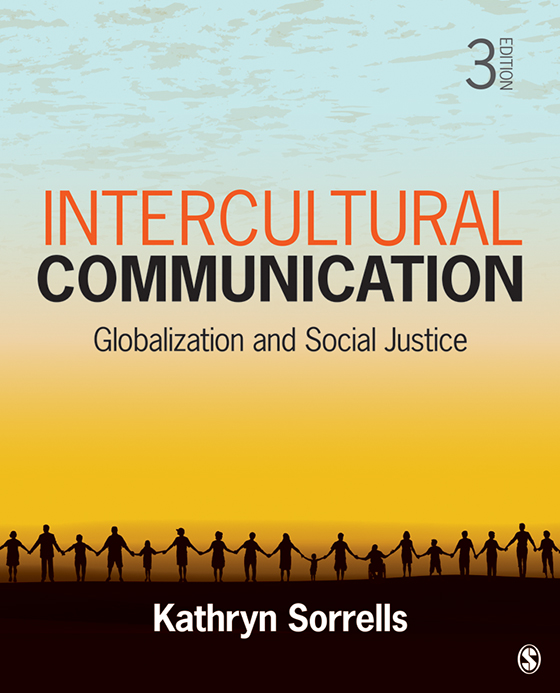
Intercultural Communication
Globalization and Social Justice
Third Edition
If you’re in North America, please visit our Sage College Publishing website to purchase or sample this book:
Go to College Publishing WebsiteDescription
Winner of the 2022 Textbook Excellence Award from the Textbook & Academic Authors Association (TAA)
Intercultural Communication: Globalization and Social Justice introduces students to the study of communication among cultures within the broader context of globalization. Author Kathryn Sorrells highlights history, power, and global institutions as central to understanding the relationships and contexts that shape intercultural communication. Promoting critical thinking, reflection, and action, the text’s social justice approach equips students with the knowledge and skills to create a more equitable world through communication. The Third Edition includes new case studies, updated examples and statistics, and expanded discussions on timely topics, like the rise of ethnonationalism and white nationalism, and the impact of new media on global communication.
Intercultural Communication: Globalization and Social Justice introduces students to the study of communication among cultures within the broader context of globalization. Author Kathryn Sorrells highlights history, power, and global institutions as central to understanding the relationships and contexts that shape intercultural communication. Promoting critical thinking, reflection, and action, the text’s social justice approach equips students with the knowledge and skills to create a more equitable world through communication. The Third Edition includes new case studies, updated examples and statistics, and expanded discussions on timely topics, like the rise of ethnonationalism and white nationalism, and the impact of new media on global communication.
Contents
Preface
Preface
Acknowledgments
Acknowledgments
About the Author
- Chapter 1: Opening the Conversation: Studying Intercultural Communication
- Definitions of Culture
- Studying Intercultural Communication
- Intercultural Praxis in the Context of Globalization
- Summary
- Key Terms
- Discussion Questions and Activities
- Chapter 2: Understanding the Context of Globalization
- The Role of History in Intercultural Communication
- The Role of Power in Intercultural Communication
- Intercultural Communication in the Context of Globalization
- Intercultural Dimensions of Economic Globalization
- Intercultural Dimensions of Political Globalization
- Intercultural Dimensions of Cultural Globalization
- Summary
- Key Terms
- Discussion Questions and Activities
- Chapter 3: Globalizing Body Politics: Embodied Verbal and Nonverbal Communication
- Hip Hop Culture
- Constructing Social Worlds Through Communication
- Marking Difference Through Communication
- The Social Construction of Race: From Colonization to Globalization
- Resignifying Race in the Context of Globalization
- Hip Hop Culture: Alternative Performances of Difference
- Summary
- Key Terms
- Discussion Questions and Activities
- Chapter 4: (Dis)Placing Culture and Cultural Space: Locations of Nonverbal and Verbal Communication
- Placing Culture and Cultural Space
- Displacing Culture and Cultural Space
- Case Study: Hip Hop Culture
- Cultural Space, Power, and Communication
- Summary
- Key Terms
- Discussion Questions and Activities
- Chapter 5: Privileging Relationships: Intercultural Communication in Interpersonal Contexts
- Topography of Intercultural Relationships
- Intercultural Relationships in the Workplace
- Forming and Sustaining Intercultural Relationships
- Cyberspace and Intercultural Relationships
- Intercultural Alliances for Social Justice in the Global Context
- Summary
- Key Terms
- Discussion Questions and Activities
- Chapter 6: Crossing Borders: Migration and Intercultural Adaptation
- Migrants
- Historical Overview of World Migration
- Migration Trends in the Context of Globalization
- Theories of Migration and Intercultural Adaptation
- Case Studies: Migration and Intercultural Adaptation
- Summary
- Key Terms
- Discussion Questions and Activities
- Chapter 7: Jamming Media and Popular Culture: Analyzing Messages About Diverse Cultures
- Media, Popular Culture, and Globalization
- Popular Culture, Intercultural Communication, and Globalization
- Global and Regional Media Circuits
- Producing and Consuming Popular Culture
- Popular Culture, Representation, and Resistance
- Resisting and Re-Creating Media and Popular Culture
- Summary
- Key Terms
- Discussion Questions and Activities
- Chapter 8: The Culture of Capitalism and the Business of Intercultural Communication
- Historical Context: Capitalism and Globalization
- The Culture of Capitalism
- The Intercultural Marketplace
- Case Study 1: Consuming and Romanticizing the “Other”
- Case Study 2: Consuming and Desiring the “Other”
- Case Study 3: Consuming Cultural Spectacles
- Economic Responsibility and Intercultural Communication
- Summary
- Key Terms
- Discussion Questions and Activities
- Chapter 9: Negotiating Intercultural Conflict and Social Justice: Strategies for Intercultural Relations
- Intercultural Conflict: A Multidimensional Framework of Analysis
- Case Study 1: Interpersonal Context
- Case Study 2: Intergroup Context
- Case Study 3: International and Global Context
- Strategies for Addressing Intercultural Conflict
- Summary
- Key Terms
- Discussion Questions and Activities
- Chapter 10: Engaging Intercultural Communication for Social Justice: Challenges and Possibilities for Global Citizenship
- Becoming Global Citizens in the 21st Century
- “Hope in the Dark”: From Despair to Empowerment
- Intercultural Alliances for Social Justice
- Case Study: Community Coalition of South Los Angeles
- Summary
- Key Terms
- Discussion Questions and Activities
Glossary
Glossary
References
References
Index
Index
Description
Winner of the 2022 Textbook Excellence Award from the Textbook & Academic Authors Association (TAA)
Intercultural Communication: Globalization and Social Justice introduces students to the study of communication among cultures within the broader context of globalization. Author Kathryn Sorrells highlights history, power, and global institutions as central to understanding the relationships and contexts that shape intercultural communication. Promoting critical thinking, reflection, and action, the text’s social justice approach equips students with the knowledge and skills to create a more equitable world through communication. The Third Edition includes new case studies, updated examples and statistics, and expanded discussions on timely topics, like the rise of ethnonationalism and white nationalism, and the impact of new media on global communication.
Intercultural Communication: Globalization and Social Justice introduces students to the study of communication among cultures within the broader context of globalization. Author Kathryn Sorrells highlights history, power, and global institutions as central to understanding the relationships and contexts that shape intercultural communication. Promoting critical thinking, reflection, and action, the text’s social justice approach equips students with the knowledge and skills to create a more equitable world through communication. The Third Edition includes new case studies, updated examples and statistics, and expanded discussions on timely topics, like the rise of ethnonationalism and white nationalism, and the impact of new media on global communication.
Contents
Preface
Preface
Acknowledgments
Acknowledgments
About the Author
- Chapter 1: Opening the Conversation: Studying Intercultural Communication
- Definitions of Culture
- Studying Intercultural Communication
- Intercultural Praxis in the Context of Globalization
- Summary
- Key Terms
- Discussion Questions and Activities
- Chapter 2: Understanding the Context of Globalization
- The Role of History in Intercultural Communication
- The Role of Power in Intercultural Communication
- Intercultural Communication in the Context of Globalization
- Intercultural Dimensions of Economic Globalization
- Intercultural Dimensions of Political Globalization
- Intercultural Dimensions of Cultural Globalization
- Summary
- Key Terms
- Discussion Questions and Activities
- Chapter 3: Globalizing Body Politics: Embodied Verbal and Nonverbal Communication
- Hip Hop Culture
- Constructing Social Worlds Through Communication
- Marking Difference Through Communication
- The Social Construction of Race: From Colonization to Globalization
- Resignifying Race in the Context of Globalization
- Hip Hop Culture: Alternative Performances of Difference
- Summary
- Key Terms
- Discussion Questions and Activities
- Chapter 4: (Dis)Placing Culture and Cultural Space: Locations of Nonverbal and Verbal Communication
- Placing Culture and Cultural Space
- Displacing Culture and Cultural Space
- Case Study: Hip Hop Culture
- Cultural Space, Power, and Communication
- Summary
- Key Terms
- Discussion Questions and Activities
- Chapter 5: Privileging Relationships: Intercultural Communication in Interpersonal Contexts
- Topography of Intercultural Relationships
- Intercultural Relationships in the Workplace
- Forming and Sustaining Intercultural Relationships
- Cyberspace and Intercultural Relationships
- Intercultural Alliances for Social Justice in the Global Context
- Summary
- Key Terms
- Discussion Questions and Activities
- Chapter 6: Crossing Borders: Migration and Intercultural Adaptation
- Migrants
- Historical Overview of World Migration
- Migration Trends in the Context of Globalization
- Theories of Migration and Intercultural Adaptation
- Case Studies: Migration and Intercultural Adaptation
- Summary
- Key Terms
- Discussion Questions and Activities
- Chapter 7: Jamming Media and Popular Culture: Analyzing Messages About Diverse Cultures
- Media, Popular Culture, and Globalization
- Popular Culture, Intercultural Communication, and Globalization
- Global and Regional Media Circuits
- Producing and Consuming Popular Culture
- Popular Culture, Representation, and Resistance
- Resisting and Re-Creating Media and Popular Culture
- Summary
- Key Terms
- Discussion Questions and Activities
- Chapter 8: The Culture of Capitalism and the Business of Intercultural Communication
- Historical Context: Capitalism and Globalization
- The Culture of Capitalism
- The Intercultural Marketplace
- Case Study 1: Consuming and Romanticizing the “Other”
- Case Study 2: Consuming and Desiring the “Other”
- Case Study 3: Consuming Cultural Spectacles
- Economic Responsibility and Intercultural Communication
- Summary
- Key Terms
- Discussion Questions and Activities
- Chapter 9: Negotiating Intercultural Conflict and Social Justice: Strategies for Intercultural Relations
- Intercultural Conflict: A Multidimensional Framework of Analysis
- Case Study 1: Interpersonal Context
- Case Study 2: Intergroup Context
- Case Study 3: International and Global Context
- Strategies for Addressing Intercultural Conflict
- Summary
- Key Terms
- Discussion Questions and Activities
- Chapter 10: Engaging Intercultural Communication for Social Justice: Challenges and Possibilities for Global Citizenship
- Becoming Global Citizens in the 21st Century
- “Hope in the Dark”: From Despair to Empowerment
- Intercultural Alliances for Social Justice
- Case Study: Community Coalition of South Los Angeles
- Summary
- Key Terms
- Discussion Questions and Activities
Glossary
Glossary
References
References
Index
Index

384 pages | Sage US
| Format | Published Date | ISBN | Price |
|---|
Winner of the 2022 Textbook Excellence Award from the Textbook & Academic Authors Association (TAA)
Intercultural Communication: Globalization and Social Justice introduces students to the study of communication among cultures within the broader context of globalization. Author Kathryn Sorrells highlights history, power, and global institutions as central to understanding the relationships and contexts that shape intercultural communication. Promoting critical thinking, reflection, and action, the text’s social justice approach equips students with the knowledge and skills to create a more equitable world through communication. The Third Edition includes new case studies, updated examples and statistics, and expanded discussions on timely topics, like the rise of ethnonationalism and white nationalism, and the impact of new media on global communication.
Intercultural Communication: Globalization and Social Justice introduces students to the study of communication among cultures within the broader context of globalization. Author Kathryn Sorrells highlights history, power, and global institutions as central to understanding the relationships and contexts that shape intercultural communication. Promoting critical thinking, reflection, and action, the text’s social justice approach equips students with the knowledge and skills to create a more equitable world through communication. The Third Edition includes new case studies, updated examples and statistics, and expanded discussions on timely topics, like the rise of ethnonationalism and white nationalism, and the impact of new media on global communication.
Table Of Contents:
- Preface
- Acknowledgments
- About the Author
- Chapter 1: Opening the Conversation: Studying Intercultural Communication
- Definitions of Culture
- Studying Intercultural Communication
- Intercultural Praxis in the Context of Globalization
- Summary
- Key Terms
- Discussion Questions and Activities
- Chapter 2: Understanding the Context of Globalization
- The Role of History in Intercultural Communication
- The Role of Power in Intercultural Communication
- Intercultural Communication in the Context of Globalization
- Intercultural Dimensions of Economic Globalization
- Intercultural Dimensions of Political Globalization
- Intercultural Dimensions of Cultural Globalization
- Summary
- Key Terms
- Discussion Questions and Activities
- Chapter 3: Globalizing Body Politics: Embodied Verbal and Nonverbal Communication
- Hip Hop Culture
- Constructing Social Worlds Through Communication
- Marking Difference Through Communication
- The Social Construction of Race: From Colonization to Globalization
- Resignifying Race in the Context of Globalization
- Hip Hop Culture: Alternative Performances of Difference
- Summary
- Key Terms
- Discussion Questions and Activities
- Chapter 4: (Dis)Placing Culture and Cultural Space: Locations of Nonverbal and Verbal Communication
- Placing Culture and Cultural Space
- Displacing Culture and Cultural Space
- Case Study: Hip Hop Culture
- Cultural Space, Power, and Communication
- Summary
- Key Terms
- Discussion Questions and Activities
- Chapter 5: Privileging Relationships: Intercultural Communication in Interpersonal Contexts
- Topography of Intercultural Relationships
- Intercultural Relationships in the Workplace
- Forming and Sustaining Intercultural Relationships
- Cyberspace and Intercultural Relationships
- Intercultural Alliances for Social Justice in the Global Context
- Summary
- Key Terms
- Discussion Questions and Activities
- Chapter 6: Crossing Borders: Migration and Intercultural Adaptation
- Migrants
- Historical Overview of World Migration
- Migration Trends in the Context of Globalization
- Theories of Migration and Intercultural Adaptation
- Case Studies: Migration and Intercultural Adaptation
- Summary
- Key Terms
- Discussion Questions and Activities
- Chapter 7: Jamming Media and Popular Culture: Analyzing Messages About Diverse Cultures
- Media, Popular Culture, and Globalization
- Popular Culture, Intercultural Communication, and Globalization
- Global and Regional Media Circuits
- Producing and Consuming Popular Culture
- Popular Culture, Representation, and Resistance
- Resisting and Re-Creating Media and Popular Culture
- Summary
- Key Terms
- Discussion Questions and Activities
- Chapter 8: The Culture of Capitalism and the Business of Intercultural Communication
- Historical Context: Capitalism and Globalization
- The Culture of Capitalism
- The Intercultural Marketplace
- Case Study 1: Consuming and Romanticizing the “Other”
- Case Study 2: Consuming and Desiring the “Other”
- Case Study 3: Consuming Cultural Spectacles
- Economic Responsibility and Intercultural Communication
- Summary
- Key Terms
- Discussion Questions and Activities
- Chapter 9: Negotiating Intercultural Conflict and Social Justice: Strategies for Intercultural Relations
- Intercultural Conflict: A Multidimensional Framework of Analysis
- Case Study 1: Interpersonal Context
- Case Study 2: Intergroup Context
- Case Study 3: International and Global Context
- Strategies for Addressing Intercultural Conflict
- Summary
- Key Terms
- Discussion Questions and Activities
- Chapter 10: Engaging Intercultural Communication for Social Justice: Challenges and Possibilities for Global Citizenship
- Becoming Global Citizens in the 21st Century
- “Hope in the Dark”: From Despair to Empowerment
- Intercultural Alliances for Social Justice
- Case Study: Community Coalition of South Los Angeles
- Summary
- Key Terms
- Discussion Questions and Activities
- Glossary
- References
- Index