Correctional Theory

If you’re in the Americas, please visit our Sage College Publishing website to purchase or sample this book:
Go to College Publishing WebsiteDescription
“The text is an incredible composite of the literature that has shaped correctional practice. The authors have a great capacity for making research interesting and accessible. Cullen and Jonson have accomplished their goal of motivating readers to become sophisticated consumers of correctional knowledge.”
—Betsy Matthews, Eastern Kentucky University
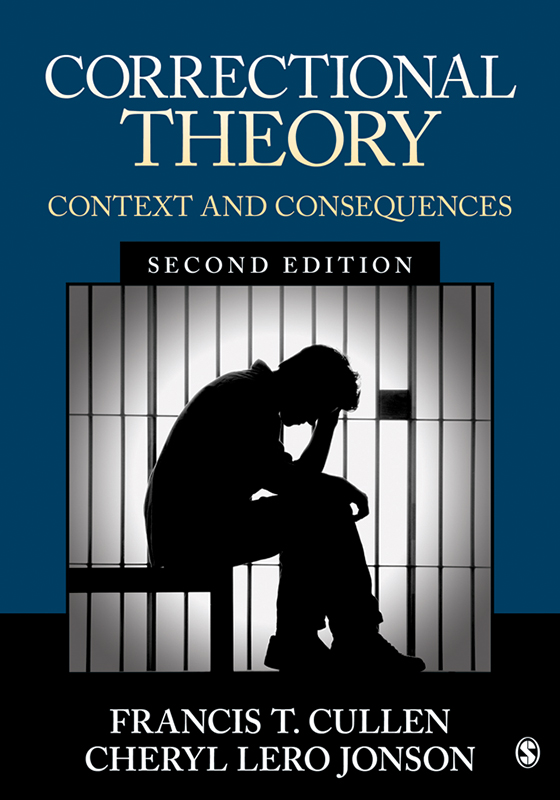
The Second Edition of Correctional Theory: Context and Consequences continues to identify and evaluate the major competing theories used to guide the goals, policies, and practices of the correctional system. Authors Francis T. Cullen and Cheryl Lero Jonson demonstrate that changes in theories can legitimize new ways of treating and punishing offenders, and they help readers understand how transformations in the social and political context of U.S. society impact correctional theory and policy. Designed to motivate readers to become sophisticated consumers of correctional information, the book emphasizes the importance of using evidence-based information to guide decisions, rather than relying on nonscientific commonsense or ideology-based beliefs.
Contents
Preface
Preface
PART I. Crisis in American Corrections
- CHAPTER 1. From Theory to Policy: Evidence-Based Corrections
- Theories of Corrections
- Six Theories in Brief
- Utility, Opinion, and Evidence
- Evidence-Based Corrections
- Conclusion: What’s Ahead?
- CHAPTER 2. Correctional Theory in Crisis: America’s Changing Context
- What Is Rehabilitation?
- The Rise of the Rehabilitative Ideal
- Attacking Rehabilitation
- The “Nothing Works” Doctrine: Martinson and Beyond
- Conclusion: Crisis in Correctional Theory
PART II. The Punishment Response
- CHAPTER 3. Just Deserts: Doing Justice or Getting Tough?
- The Concepts of Retribution and Just Deserts: Punishing the Crime
- Retribution: Just and Painful
- Four Problems for Retribution
- The Justice Model: Restraining State Discretion
- What Went Wrong? Winning the Battle but Losing the War
- Conclusion: The Need for Crime Control
- CHAPTER 4. Deterrence: Scaring Offenders Straight
- The Concept of Deterrence
- Is Deterrence a “Conservative” Theory?
- The Theoretical Assumptions of Deterrence
- Studying Whether Deterrence Works: Assessing Types of Evidence
- Policy Changes That Increase Punishment
- Macro-Level Studies of Punishment and Crime Rates
- Perceptual Deterrence Studies
- Deterrence in the Community
- The Effects of Imprisonment
- Conclusion: The Limits of Deterrence
- CHAPTER 5. Incapacitation: Locking Up the Wicked
- Too Many Prisoners
- More Than Enough Criminals
- The Concept of Incapacitation
- Estimating the Incapacitation Effect: Studying Individual Offenders
- Estimating the Incapacitation Effect: Macro-Level Studies
- Conclusion: Compared to What?
PART III. The Social Welfare Response
- CHAPTER 6. Restorative Justice: Reintegrative Shaming
- The Concept of Restorative Justice
- The Appeal of Restorative Justice
- Three Problems
- Does Restorative Justice Work?
- Conclusion: The Limits of Harm
- CHAPTER 7. Rehabilitation: What Works to Change Offenders
- The Concept of Rehabilitation
- Knowing What Works
- Challenging Nothing Works: Narrative Reviews
- Challenging Nothing Works: Meta-Analytic Reviews
- What Does Not Work
- What Does Work: Principles of Effective Intervention
- What Else Might Work?
- Conclusion: Reaffirming Rehabilitation
PART IV. Extending the Vision of Corrections
- CHAPTER 8. Reentry: Saving Offenders from a Life in Crime
- From Parole to Reentry
- The Reentry Problem
- Reentry Programs
- The Effectiveness Problem
- Two Things to Keep in Mind
- Conclusion: Saving Offenders From a Life in Crime
- CHAPTER 9. Early Intervention: Saving Children From a Life in Crime
- Lessons From Childhood Criminology
- The Need for Early Intervention
- Five Programs That Work—At Least When Done Right
- Two More Reasons to Support Early Intervention
- Conclusion: Beyond Adult-Limited Corrections
- CHAPTER 10. Six Correctional Lessons: Choosing Our Future
- Three Themes
- Four Lessons
- Conclusion: Choosing Our Future
References
References
Index
Index
About the Authors
About the Authors
Description
“The text is an incredible composite of the literature that has shaped correctional practice. The authors have a great capacity for making research interesting and accessible. Cullen and Jonson have accomplished their goal of motivating readers to become sophisticated consumers of correctional knowledge.”
—Betsy Matthews, Eastern Kentucky University
The Second Edition of Correctional Theory: Context and Consequences continues to identify and evaluate the major competing theories used to guide the goals, policies, and practices of the correctional system. Authors Francis T. Cullen and Cheryl Lero Jonson demonstrate that changes in theories can legitimize new ways of treating and punishing offenders, and they help readers understand how transformations in the social and political context of U.S. society impact correctional theory and policy. Designed to motivate readers to become sophisticated consumers of correctional information, the book emphasizes the importance of using evidence-based information to guide decisions, rather than relying on nonscientific commonsense or ideology-based beliefs.
Contents
Preface
Preface
PART I. Crisis in American Corrections
- CHAPTER 1. From Theory to Policy: Evidence-Based Corrections
- Theories of Corrections
- Six Theories in Brief
- Utility, Opinion, and Evidence
- Evidence-Based Corrections
- Conclusion: What’s Ahead?
- CHAPTER 2. Correctional Theory in Crisis: America’s Changing Context
- What Is Rehabilitation?
- The Rise of the Rehabilitative Ideal
- Attacking Rehabilitation
- The “Nothing Works” Doctrine: Martinson and Beyond
- Conclusion: Crisis in Correctional Theory
PART II. The Punishment Response
- CHAPTER 3. Just Deserts: Doing Justice or Getting Tough?
- The Concepts of Retribution and Just Deserts: Punishing the Crime
- Retribution: Just and Painful
- Four Problems for Retribution
- The Justice Model: Restraining State Discretion
- What Went Wrong? Winning the Battle but Losing the War
- Conclusion: The Need for Crime Control
- CHAPTER 4. Deterrence: Scaring Offenders Straight
- The Concept of Deterrence
- Is Deterrence a “Conservative” Theory?
- The Theoretical Assumptions of Deterrence
- Studying Whether Deterrence Works: Assessing Types of Evidence
- Policy Changes That Increase Punishment
- Macro-Level Studies of Punishment and Crime Rates
- Perceptual Deterrence Studies
- Deterrence in the Community
- The Effects of Imprisonment
- Conclusion: The Limits of Deterrence
- CHAPTER 5. Incapacitation: Locking Up the Wicked
- Too Many Prisoners
- More Than Enough Criminals
- The Concept of Incapacitation
- Estimating the Incapacitation Effect: Studying Individual Offenders
- Estimating the Incapacitation Effect: Macro-Level Studies
- Conclusion: Compared to What?
PART III. The Social Welfare Response
- CHAPTER 6. Restorative Justice: Reintegrative Shaming
- The Concept of Restorative Justice
- The Appeal of Restorative Justice
- Three Problems
- Does Restorative Justice Work?
- Conclusion: The Limits of Harm
- CHAPTER 7. Rehabilitation: What Works to Change Offenders
- The Concept of Rehabilitation
- Knowing What Works
- Challenging Nothing Works: Narrative Reviews
- Challenging Nothing Works: Meta-Analytic Reviews
- What Does Not Work
- What Does Work: Principles of Effective Intervention
- What Else Might Work?
- Conclusion: Reaffirming Rehabilitation
PART IV. Extending the Vision of Corrections
- CHAPTER 8. Reentry: Saving Offenders from a Life in Crime
- From Parole to Reentry
- The Reentry Problem
- Reentry Programs
- The Effectiveness Problem
- Two Things to Keep in Mind
- Conclusion: Saving Offenders From a Life in Crime
- CHAPTER 9. Early Intervention: Saving Children From a Life in Crime
- Lessons From Childhood Criminology
- The Need for Early Intervention
- Five Programs That Work—At Least When Done Right
- Two More Reasons to Support Early Intervention
- Conclusion: Beyond Adult-Limited Corrections
- CHAPTER 10. Six Correctional Lessons: Choosing Our Future
- Three Themes
- Four Lessons
- Conclusion: Choosing Our Future
References
References
Index
Index
About the Authors
About the Authors
Reviews

January 2016 | 352 pages | Sage US
| Format | Published Date | ISBN | Price |
|---|
“The text is an incredible composite of the literature that has shaped correctional practice. The authors have a great capacity for making research interesting and accessible. Cullen and Jonson have accomplished their goal of motivating readers to become sophisticated consumers of correctional knowledge.”
—Betsy Matthews, Eastern Kentucky University
The Second Edition of Correctional Theory: Context and Consequences continues to identify and evaluate the major competing theories used to guide the goals, policies, and practices of the correctional system. Authors Francis T. Cullen and Cheryl Lero Jonson demonstrate that changes in theories can legitimize new ways of treating and punishing offenders, and they help readers understand how transformations in the social and political context of U.S. society impact correctional theory and policy. Designed to motivate readers to become sophisticated consumers of correctional information, the book emphasizes the importance of using evidence-based information to guide decisions, rather than relying on nonscientific commonsense or ideology-based beliefs.
Table Of Contents:
- Preface
- PART I. Crisis in American Corrections
- CHAPTER 1. From Theory to Policy: Evidence-Based Corrections
- Theories of Corrections
- Six Theories in Brief
- Utility, Opinion, and Evidence
- Evidence-Based Corrections
- Conclusion: What’s Ahead?
- CHAPTER 2. Correctional Theory in Crisis: America’s Changing Context
- What Is Rehabilitation?
- The Rise of the Rehabilitative Ideal
- Attacking Rehabilitation
- The “Nothing Works” Doctrine: Martinson and Beyond
- Conclusion: Crisis in Correctional Theory
- PART II. The Punishment Response
- CHAPTER 3. Just Deserts: Doing Justice or Getting Tough?
- The Concepts of Retribution and Just Deserts: Punishing the Crime
- Retribution: Just and Painful
- Four Problems for Retribution
- The Justice Model: Restraining State Discretion
- What Went Wrong? Winning the Battle but Losing the War
- Conclusion: The Need for Crime Control
- CHAPTER 4. Deterrence: Scaring Offenders Straight
- The Concept of Deterrence
- Is Deterrence a “Conservative” Theory?
- The Theoretical Assumptions of Deterrence
- Studying Whether Deterrence Works: Assessing Types of Evidence
- Policy Changes That Increase Punishment
- Macro-Level Studies of Punishment and Crime Rates
- Perceptual Deterrence Studies
- Deterrence in the Community
- The Effects of Imprisonment
- Conclusion: The Limits of Deterrence
- CHAPTER 5. Incapacitation: Locking Up the Wicked
- Too Many Prisoners
- More Than Enough Criminals
- The Concept of Incapacitation
- Estimating the Incapacitation Effect: Studying Individual Offenders
- Estimating the Incapacitation Effect: Macro-Level Studies
- Conclusion: Compared to What?
- PART III. The Social Welfare Response
- CHAPTER 6. Restorative Justice: Reintegrative Shaming
- The Concept of Restorative Justice
- The Appeal of Restorative Justice
- Three Problems
- Does Restorative Justice Work?
- Conclusion: The Limits of Harm
- CHAPTER 7. Rehabilitation: What Works to Change Offenders
- The Concept of Rehabilitation
- Knowing What Works
- Challenging Nothing Works: Narrative Reviews
- Challenging Nothing Works: Meta-Analytic Reviews
- What Does Not Work
- What Does Work: Principles of Effective Intervention
- What Else Might Work?
- Conclusion: Reaffirming Rehabilitation
- PART IV. Extending the Vision of Corrections
- CHAPTER 8. Reentry: Saving Offenders from a Life in Crime
- From Parole to Reentry
- The Reentry Problem
- Reentry Programs
- The Effectiveness Problem
- Two Things to Keep in Mind
- Conclusion: Saving Offenders From a Life in Crime
- CHAPTER 9. Early Intervention: Saving Children From a Life in Crime
- Lessons From Childhood Criminology
- The Need for Early Intervention
- Five Programs That Work—At Least When Done Right
- Two More Reasons to Support Early Intervention
- Conclusion: Beyond Adult-Limited Corrections
- CHAPTER 10. Six Correctional Lessons: Choosing Our Future
- Three Themes
- Four Lessons
- Conclusion: Choosing Our Future
- References
- Index
- About the Authors