Evaluation Management

If you’re in the Americas, please visit our Sage College Publishing website to purchase or sample this book:
Go to College Publishing WebsiteDescription
Evaluation Management: How to Commission and Conduct Evaluations that Matter helps evaluation teams and commissioners achieve results that meet utilization and organizational learning goals and inform positive change for programs and communities. Tessie Tzavaras Catsambas and E. Jane Davidson provide insights on both the tactical and strategic levels of evaluation management, using approaches and skills from project management, administration and logistics, budgeting, team management, leadership development, communication, coaching, systems thinking, and negotiation. They also demonstrate how intentionality for equity, sustainability and culturally responsive practices is essential for ensuring an evaluation’s relevance and enhancing productive stakeholder engagement. With plenty of practical guidance from many years of experience, the authors provide a valuable resource for student readers, experienced evaluators, and commissioners of evaluation.
Contents
Chapter 1. Overview Of Evaluation Management
- What Is Evaluation Management?
- Whose Job Is Evaluation Management?
- What Tasks Does the Evaluation Management Job Entail?
- What Are the Key Evaluation Management Competencies?
- Conclusion
Chapter 2. Commissioning Great Evaluations
- Deciding Whether and What to Evaluate
- Evaluation Criteria and Scoping
- Determining the Best Way to Contract an External Evaluation
- Getting Practical: The Process of Writing an Evaluation Terms of Reference
- Selecting a Strong Evaluation Team (or Sole Evaluators)
- Selecting the Best Evaluation Implementor
- Building Capacity in Commissioning Evaluation
Chapter 3. Pre-Start Up: Analyzing the Evaluation Requirements
- Pre-Proposal: Understanding the Terms of Reference
- Responding to the Terms of Reference
- Clarifying, Negotiating, and Selection
- Upon Evaluation Contract Award
Chapter 4. Managing The Evaluation Contract Start-Up
- Evaluation Management Structure
- Goals of Evaluation Start-Up
- Starting in the Middle
- Key Evaluation Start-Up Tasks
Chapter 5. Managing The Evaluation Team
- Goals of Team Management in Evaluation
- Configurations of Evaluation Teams
- Managing Team Performance
- Managing Multiple Evaluation Teams at the Same Time
Chapter 6. Managing Data Collection
- Prior to Initiating Data Collection
- Early in Data Collection
- Active Data Collection
- Managing and Archiving Data
- Communication
- Good Monitoring Practices
- Addressing the Unexpected
Chapter 7. Managing Data Analysis
- Role and Scope of Data Analysis in an Evaluation
- Important Questions in Data Analysis
- The Cost of Skipping Data Analysis
- The Role of the Evaluation Manager in Data Analysis
Chapter 8. Managing Evaluation Reporting
- Principles and Practices of Good Reporting
- Written Reports
- The Debriefing Meeting
- Reviews and Approval
Chapter 9: Managing Evaluation Use and Influence
- No, Evaluation Use and Influence Is Not Only About Implementing Recommendations!
- What Is the Evaluation Manager’s Job in Evaluation Use and Influence?
- What Drives Evaluation Use and Influence
- Managing Context and Politics
- Managing the Process and Stakeholder Engagement
- Developing an Evaluation Use and Influence Strategy
- Involving Key Influencers in Evaluation
- Strengthening Evaluation Culture and Capacity While Facilitating Evaluation Use
Chapter 10. Building Evaluation Management Capacity for Evaluation Commissioners
- Building a Strong Evaluation System
- Evaluation Culture
- Evaluation Competencies for Commissioners of Evaluation
- The Operational Level of Evaluation
References
References
Index
Index
Additional materials
Description
Evaluation Management: How to Commission and Conduct Evaluations that Matter helps evaluation teams and commissioners achieve results that meet utilization and organizational learning goals and inform positive change for programs and communities. Tessie Tzavaras Catsambas and E. Jane Davidson provide insights on both the tactical and strategic levels of evaluation management, using approaches and skills from project management, administration and logistics, budgeting, team management, leadership development, communication, coaching, systems thinking, and negotiation. They also demonstrate how intentionality for equity, sustainability and culturally responsive practices is essential for ensuring an evaluation’s relevance and enhancing productive stakeholder engagement. With plenty of practical guidance from many years of experience, the authors provide a valuable resource for student readers, experienced evaluators, and commissioners of evaluation.
Contents
Chapter 1. Overview Of Evaluation Management
- What Is Evaluation Management?
- Whose Job Is Evaluation Management?
- What Tasks Does the Evaluation Management Job Entail?
- What Are the Key Evaluation Management Competencies?
- Conclusion
Chapter 2. Commissioning Great Evaluations
- Deciding Whether and What to Evaluate
- Evaluation Criteria and Scoping
- Determining the Best Way to Contract an External Evaluation
- Getting Practical: The Process of Writing an Evaluation Terms of Reference
- Selecting a Strong Evaluation Team (or Sole Evaluators)
- Selecting the Best Evaluation Implementor
- Building Capacity in Commissioning Evaluation
Chapter 3. Pre-Start Up: Analyzing the Evaluation Requirements
- Pre-Proposal: Understanding the Terms of Reference
- Responding to the Terms of Reference
- Clarifying, Negotiating, and Selection
- Upon Evaluation Contract Award
Chapter 4. Managing The Evaluation Contract Start-Up
- Evaluation Management Structure
- Goals of Evaluation Start-Up
- Starting in the Middle
- Key Evaluation Start-Up Tasks
Chapter 5. Managing The Evaluation Team
- Goals of Team Management in Evaluation
- Configurations of Evaluation Teams
- Managing Team Performance
- Managing Multiple Evaluation Teams at the Same Time
Chapter 6. Managing Data Collection
- Prior to Initiating Data Collection
- Early in Data Collection
- Active Data Collection
- Managing and Archiving Data
- Communication
- Good Monitoring Practices
- Addressing the Unexpected
Chapter 7. Managing Data Analysis
- Role and Scope of Data Analysis in an Evaluation
- Important Questions in Data Analysis
- The Cost of Skipping Data Analysis
- The Role of the Evaluation Manager in Data Analysis
Chapter 8. Managing Evaluation Reporting
- Principles and Practices of Good Reporting
- Written Reports
- The Debriefing Meeting
- Reviews and Approval
Chapter 9: Managing Evaluation Use and Influence
- No, Evaluation Use and Influence Is Not Only About Implementing Recommendations!
- What Is the Evaluation Manager’s Job in Evaluation Use and Influence?
- What Drives Evaluation Use and Influence
- Managing Context and Politics
- Managing the Process and Stakeholder Engagement
- Developing an Evaluation Use and Influence Strategy
- Involving Key Influencers in Evaluation
- Strengthening Evaluation Culture and Capacity While Facilitating Evaluation Use
Chapter 10. Building Evaluation Management Capacity for Evaluation Commissioners
- Building a Strong Evaluation System
- Evaluation Culture
- Evaluation Competencies for Commissioners of Evaluation
- The Operational Level of Evaluation
References
References
Index
Index
Additional materials
Reviews
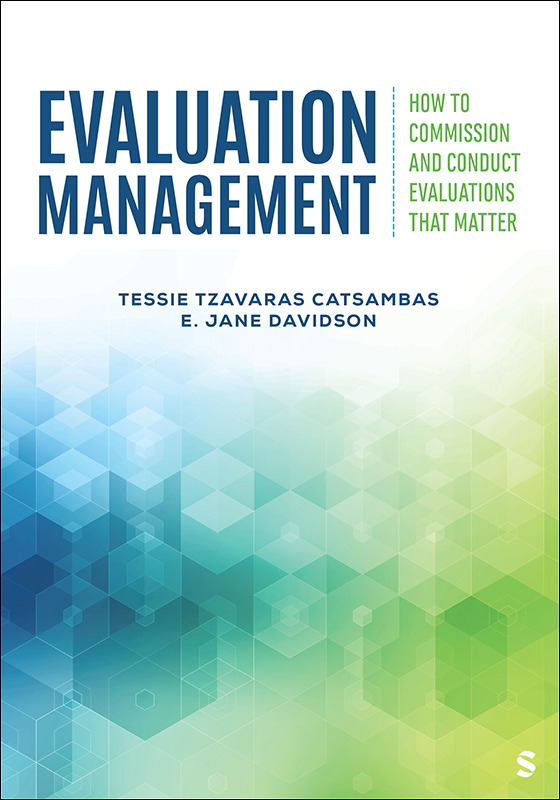

Evaluation Management
How to Commission and Conduct Evaluations that Matter
December 2023 | 184 pages | Sage US
| Format | Published Date | ISBN | Price |
|---|
Evaluation Management: How to Commission and Conduct Evaluations that Matter helps evaluation teams and commissioners achieve results that meet utilization and organizational learning goals and inform positive change for programs and communities. Tessie Tzavaras Catsambas and E. Jane Davidson provide insights on both the tactical and strategic levels of evaluation management, using approaches and skills from project management, administration and logistics, budgeting, team management, leadership development, communication, coaching, systems thinking, and negotiation. They also demonstrate how intentionality for equity, sustainability and culturally responsive practices is essential for ensuring an evaluation’s relevance and enhancing productive stakeholder engagement. With plenty of practical guidance from many years of experience, the authors provide a valuable resource for student readers, experienced evaluators, and commissioners of evaluation.
Table Of Contents:
- Chapter 1. Overview Of Evaluation Management
- What Is Evaluation Management?
- Whose Job Is Evaluation Management?
- What Tasks Does the Evaluation Management Job Entail?
- What Are the Key Evaluation Management Competencies?
- Conclusion
- Chapter 2. Commissioning Great Evaluations
- Deciding Whether and What to Evaluate
- Evaluation Criteria and Scoping
- Determining the Best Way to Contract an External Evaluation
- Getting Practical: The Process of Writing an Evaluation Terms of Reference
- Selecting a Strong Evaluation Team (or Sole Evaluators)
- Selecting the Best Evaluation Implementor
- Building Capacity in Commissioning Evaluation
- Chapter 3. Pre-Start Up: Analyzing the Evaluation Requirements
- Pre-Proposal: Understanding the Terms of Reference
- Responding to the Terms of Reference
- Clarifying, Negotiating, and Selection
- Upon Evaluation Contract Award
- Chapter 4. Managing The Evaluation Contract Start-Up
- Evaluation Management Structure
- Goals of Evaluation Start-Up
- Starting in the Middle
- Key Evaluation Start-Up Tasks
- Chapter 5. Managing The Evaluation Team
- Goals of Team Management in Evaluation
- Configurations of Evaluation Teams
- Managing Team Performance
- Managing Multiple Evaluation Teams at the Same Time
- Chapter 6. Managing Data Collection
- Prior to Initiating Data Collection
- Early in Data Collection
- Active Data Collection
- Managing and Archiving Data
- Communication
- Good Monitoring Practices
- Addressing the Unexpected
- Chapter 7. Managing Data Analysis
- Role and Scope of Data Analysis in an Evaluation
- Important Questions in Data Analysis
- The Cost of Skipping Data Analysis
- The Role of the Evaluation Manager in Data Analysis
- Chapter 8. Managing Evaluation Reporting
- Principles and Practices of Good Reporting
- Written Reports
- The Debriefing Meeting
- Reviews and Approval
- Chapter 9: Managing Evaluation Use and Influence
- No, Evaluation Use and Influence Is Not Only About Implementing Recommendations!
- What Is the Evaluation Manager’s Job in Evaluation Use and Influence?
- What Drives Evaluation Use and Influence
- Managing Context and Politics
- Managing the Process and Stakeholder Engagement
- Developing an Evaluation Use and Influence Strategy
- Involving Key Influencers in Evaluation
- Strengthening Evaluation Culture and Capacity While Facilitating Evaluation Use
- Chapter 10. Building Evaluation Management Capacity for Evaluation Commissioners
- Building a Strong Evaluation System
- Evaluation Culture
- Evaluation Competencies for Commissioners of Evaluation
- The Operational Level of Evaluation
- References
- Index