Qualitative Diary Methods
If you’re in North America, please visit our Sage College Publishing website to purchase or sample this book:
Go to College Publishing WebsiteDescription
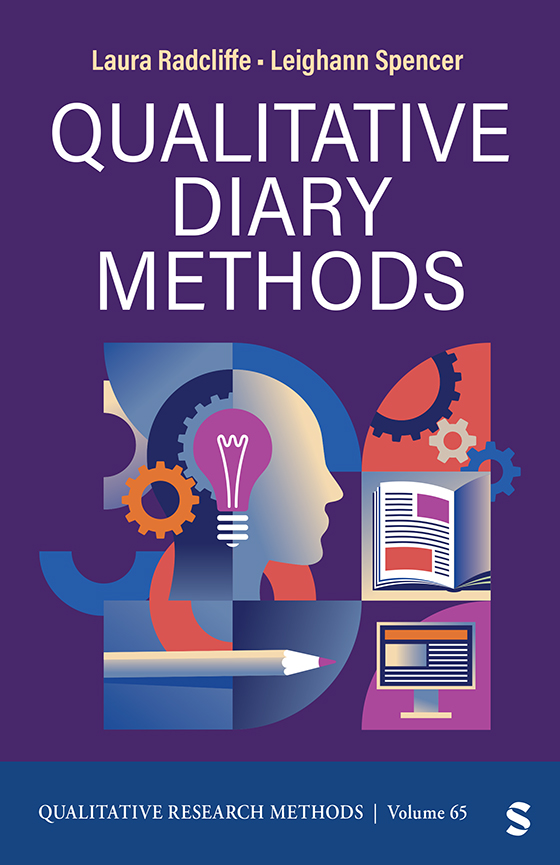
Qualitative diary methods (QDMs) are a versatile range of multi-modal data collection methods that involve participants recording events and experiences, and emotions and reflections, as they happen, on multiple occasions and over a particular time period. These data collection methods include a pen and paper diary, as well as other electronic modes of diary keeping, including text but also audio, photo-, video-, and app-based diaries that allow for a range of modalities. This book covers the diversity of QDM options available to researchers, providing a clear rationale as to when and why different qualitative diary methods could be used. The authors consider research design, and ethical considerations for each of the distinct QDM approaches and provide end-of-chapter checklists and activities to help readers apply the methods to their own research.
Contents
Preface
Preface
Acknowledgements
Acknowledgements
About the Authors
- Chapter 1: An Introduction to Qualitative Diary Methods
- What are QDMs?
- A brief history of QDMs
- When and why should I use QDMs?
- Conclusion
- Further Reading
- Chapter 2: Designing QDMs: Addressing Challenges and Ethical Dilemmas (Coauthored With Hannah Musiyarira)
- Sampling for QDMs
- Participant Retention and Engagement
- Designing QDMs
- Ethical Considerations
- Further Reading
- Chapter 3: Traditional Diary Methods
- Traditional approaches: An introduction
- Pen and Paper Diaries
- Audio Diaries
- Further Reading
- Chapter 4: Incorporating the Visual: Photo and Video Diaries
- Visual approaches: An introduction
- Photo Diaries
- Further Reading
- Chapter 5: There’s an App for that! Introducing Mobile ‘App’ Diaries (Coauthored With Joanne Gregory-Chialton
- Mobile ‘App’ Diaries: An Introduction
- App Diaries: Benefits and When and Why To Use Them
- Designing App Diaries: Practical Considerations
- To Adapt, Tailor, or Create an App.
- App Diary Checklist
- Further Reading
- Chapter 6: Analyzing Data From QDMs: Thematic Analysis and Beyond
- Analyzing QDMs: An Introduction
- Data Management and Preparation
- Choosing an Analytical Approach: Key Considerations
- Generic Thematic Analysis Approaches for QDM Analysis
- Analyzing Multimodal/Visual Diary Data
- Integrating Diary and Other Forms of Data
- Further Reading
- Chapter 7: QDM-Focused Analysis Approaches
- Introducing QDM-Focused Analytical Approaches: Capturing the ‘Down’ and ‘Across’ Benefits of QDMs
- Embracing the “Across”: Analysing QDMs Using Thematic Trajectory Analysis
- Reporting and Interpreting TTA and EDA: Reduction vs Reductive
- Further Reading
- Chapter 8: Concluding Chapter and the Future of QDMs
- Recapitulation: Key Points From Previous Chapters
- Key Considerations in Developing QDM Research Projects
- Developments in QDM Research: Looking Back and to the Future
- Conclusion
- Further Reading
Appendix
Appendix
Glossary
Glossary
References
References
Index
Index
Additional materials
Description
Qualitative diary methods (QDMs) are a versatile range of multi-modal data collection methods that involve participants recording events and experiences, and emotions and reflections, as they happen, on multiple occasions and over a particular time period. These data collection methods include a pen and paper diary, as well as other electronic modes of diary keeping, including text but also audio, photo-, video-, and app-based diaries that allow for a range of modalities. This book covers the diversity of QDM options available to researchers, providing a clear rationale as to when and why different qualitative diary methods could be used. The authors consider research design, and ethical considerations for each of the distinct QDM approaches and provide end-of-chapter checklists and activities to help readers apply the methods to their own research.
Contents
Preface
Preface
Acknowledgements
Acknowledgements
About the Authors
- Chapter 1: An Introduction to Qualitative Diary Methods
- What are QDMs?
- A brief history of QDMs
- When and why should I use QDMs?
- Conclusion
- Further Reading
- Chapter 2: Designing QDMs: Addressing Challenges and Ethical Dilemmas (Coauthored With Hannah Musiyarira)
- Sampling for QDMs
- Participant Retention and Engagement
- Designing QDMs
- Ethical Considerations
- Further Reading
- Chapter 3: Traditional Diary Methods
- Traditional approaches: An introduction
- Pen and Paper Diaries
- Audio Diaries
- Further Reading
- Chapter 4: Incorporating the Visual: Photo and Video Diaries
- Visual approaches: An introduction
- Photo Diaries
- Further Reading
- Chapter 5: There’s an App for that! Introducing Mobile ‘App’ Diaries (Coauthored With Joanne Gregory-Chialton
- Mobile ‘App’ Diaries: An Introduction
- App Diaries: Benefits and When and Why To Use Them
- Designing App Diaries: Practical Considerations
- To Adapt, Tailor, or Create an App.
- App Diary Checklist
- Further Reading
- Chapter 6: Analyzing Data From QDMs: Thematic Analysis and Beyond
- Analyzing QDMs: An Introduction
- Data Management and Preparation
- Choosing an Analytical Approach: Key Considerations
- Generic Thematic Analysis Approaches for QDM Analysis
- Analyzing Multimodal/Visual Diary Data
- Integrating Diary and Other Forms of Data
- Further Reading
- Chapter 7: QDM-Focused Analysis Approaches
- Introducing QDM-Focused Analytical Approaches: Capturing the ‘Down’ and ‘Across’ Benefits of QDMs
- Embracing the “Across”: Analysing QDMs Using Thematic Trajectory Analysis
- Reporting and Interpreting TTA and EDA: Reduction vs Reductive
- Further Reading
- Chapter 8: Concluding Chapter and the Future of QDMs
- Recapitulation: Key Points From Previous Chapters
- Key Considerations in Developing QDM Research Projects
- Developments in QDM Research: Looking Back and to the Future
- Conclusion
- Further Reading
Appendix
Appendix
Glossary
Glossary
References
References
Index
Index
Additional materials
Reviews

April 2025 | 296 pages | Sage US
| Format | Published Date | ISBN | Price |
|---|
Qualitative diary methods (QDMs) are a versatile range of multi-modal data collection methods that involve participants recording events and experiences, and emotions and reflections, as they happen, on multiple occasions and over a particular time period. These data collection methods include a pen and paper diary, as well as other electronic modes of diary keeping, including text but also audio, photo-, video-, and app-based diaries that allow for a range of modalities. This book covers the diversity of QDM options available to researchers, providing a clear rationale as to when and why different qualitative diary methods could be used. The authors consider research design, and ethical considerations for each of the distinct QDM approaches and provide end-of-chapter checklists and activities to help readers apply the methods to their own research.
Table Of Contents:
- Preface
- Acknowledgements
- About the Authors
- Chapter 1: An Introduction to Qualitative Diary Methods
- What are QDMs?
- A brief history of QDMs
- When and why should I use QDMs?
- Conclusion
- Further Reading
- Chapter 2: Designing QDMs: Addressing Challenges and Ethical Dilemmas (Coauthored With Hannah Musiyarira)
- Sampling for QDMs
- Participant Retention and Engagement
- Designing QDMs
- Ethical Considerations
- Further Reading
- Chapter 3: Traditional Diary Methods
- Traditional approaches: An introduction
- Pen and Paper Diaries
- Audio Diaries
- Further Reading
- Chapter 4: Incorporating the Visual: Photo and Video Diaries
- Visual approaches: An introduction
- Photo Diaries
- Further Reading
- Chapter 5: There’s an App for that! Introducing Mobile ‘App’ Diaries (Coauthored With Joanne Gregory-Chialton
- Mobile ‘App’ Diaries: An Introduction
- App Diaries: Benefits and When and Why To Use Them
- Designing App Diaries: Practical Considerations
- To Adapt, Tailor, or Create an App.
- App Diary Checklist
- Further Reading
- Chapter 6: Analyzing Data From QDMs: Thematic Analysis and Beyond
- Analyzing QDMs: An Introduction
- Data Management and Preparation
- Choosing an Analytical Approach: Key Considerations
- Generic Thematic Analysis Approaches for QDM Analysis
- Analyzing Multimodal/Visual Diary Data
- Integrating Diary and Other Forms of Data
- Further Reading
- Chapter 7: QDM-Focused Analysis Approaches
- Introducing QDM-Focused Analytical Approaches: Capturing the ‘Down’ and ‘Across’ Benefits of QDMs
- Embracing the “Across”: Analysing QDMs Using Thematic Trajectory Analysis
- Reporting and Interpreting TTA and EDA: Reduction vs Reductive
- Further Reading
- Chapter 8: Concluding Chapter and the Future of QDMs
- Recapitulation: Key Points From Previous Chapters
- Key Considerations in Developing QDM Research Projects
- Developments in QDM Research: Looking Back and to the Future
- Conclusion
- Further Reading
- Appendix
- Glossary
- References
- Index