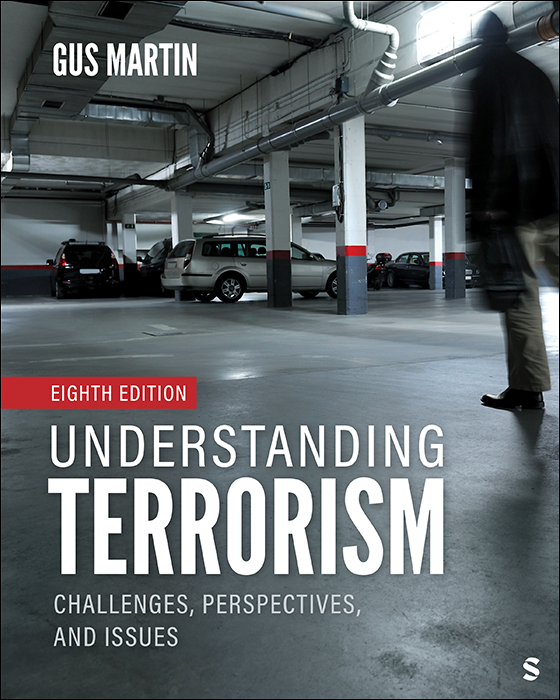
Understanding Terrorism
Challenges, Perspectives, and Issues
Eighth Edition
C. Augustus (Gus) Martin
- California State University, Dominguez Hills, USA

If you’re in the Americas, please visit our Sage College Publishing website to purchase or sample this book:
Go to College Publishing WebsiteDescription
Understanding Terrorism: Challenges, Perspectives, and Issues offers a multidisciplinary, comprehensive exploration of domestic and international terrorism that helps students develop the knowledge and skills needed to critically assess the expressions and underlying causes of terrorism. Martin explores theory and provides in-depth analysis in an accessible, engaging manner that helps readers develop the knowledge and skills they need to engage meaningfully with this robust course.
Contents
About the Author
About the Author
Acknowledgments
Acknowledgments
Introduction and Rationale
Introduction and Rationale
Part I • Terrorism: A Conceptual Review
- Chapter 1 • Terrorism: First Impressions
- First Considerations
- Conceptual Considerations: Understanding Political Violence
- The Past as Prologue: Historical Perspectives on Terrorism
- Terrorism and Criminal Skill: Three Cases From the Modern Era
- Chapter 2 • The Nature of the Beast: Defining Terrorism
- Understanding Extremism: The Foundation of Terrorism
- Defining Terrorism: An Ongoing Debate
- A Definitional Problem: Perspectives on Terrorism
- The Political Violence Matrix
- Chapter 3 • Beginnings: The Causes of Terrorism
- Political Violence as Strategic Choice
- Political Violence as the Fruit of Injustice
- Moral Justifications for Political Violence
Part II • Terrorist Environments and Typologies
- Chapter 4 • Terror From Above: Terrorism by the State
- The State as Terrorist: A State Terrorism Paradigm
- Violence Abroad: Terrorism as Foreign Policy
- Violence at Home: Terrorism as Domestic Policy
- The Problem of Accountability: Monitoring State Terrorism
- Chapter 5 • Terror From Below: Terrorism by Dissidents
- The Rebel as Terrorist: A Dissident Terrorism Paradigm
- Warring Against the State: Antistate Dissident Terrorism
- Warring Against a People: Communal Terrorism
- Operational Shifts: Dissidents and the New Terrorism
- Chapter 6 • Violence in the Name of the Faith: Religious Terrorism
- Primary and Secondary Motives: The Idiosyncratic Quality of Religious Terrorism
- Historical Cases in Point: Fighting, Dying, and Killing in the Name of the Faith
- State-Sponsored Religious Terrorism in the Modern Era
- Dissident Religious Terrorism in the Modern Era
- The Future of Religious Terrorism
- Chapter 7 • Violent Ideologies: Terrorism From the Left and Right
- Reactionaries and Radicals: The Classical Ideological Continuum
- Left-Wing Ideologies and Activism
- Class Struggle and National Liberation: The Terrorist Left
- Right-Wing Activism and Extremism
- Race and Order: The Terrorist Right
- Violent Ideologies in the New Era of Terrorism
- Chapter 8 • Terrorist Spillovers: International Terrorism
- Defining International Terrorism
- Globalized Revolution: Reasons for International Terrorism
- Globalized Solidarity: International Terrorist Networks
- The International Dimension of the New Terrorism
- Postscript: The “Stateless Revolutionaries”
- Chapter 9 • Emerging Terrorist Environments: Gender-Selective Political Violence and Criminal Dissident Terrorism
- Culture and Conflict: Gender-Selected Victims of Terrorist Violence
- Protecting the Enterprise: Criminal Dissident Terrorism
- A Global Problem: Regional Cases of Criminal Dissident Terrorism
Part III • The Terrorist Trade and Counterterrorism
- Chapter 10 • Tools of the Trade: Tactics and Targets of Terrorists
- The Purpose: Terrorist Objectives
- The Means: Terrorist Methods
- The Focus: Terrorist Targets
- The Outcome: Is Terrorism Effective?
- Chapter 11 • The Information Battleground: Terrorist Violence and the Role of the Media
- Two Perspectives: The Media and Governments
- Understanding the Role of the Media
- A New Battleground: The War for the Information High Ground
- The Public’s Right to Know: Regulating the Media
- Chapter 12 • The American Case: Terrorism in the United States
- An Introduction to the American Case
- Background to Terrorism: Left-Wing Activism and Ideological Extremism in America
- Left-Wing Terrorism in the United States
- Background to Terrorism: Right-Wing Activism and Ideological Extremism in America
- Right-Wing Terrorism in the United States
- International Terrorism in the United States
- Postscript: Nonterrorist Mass Violence in the United States
- Chapter 13 • Counterterrorism: The Options
- Responding to Terror: The Scope of Options
- Warlike Operations: Counterterrorism and the Use of Force
- Operations Other Than War: Repressive Options
- Operations Other Than War: Conciliatory Options
- Applying the Rule of Law: Legalistic Options
Part IV • Securing the Homeland
- Chapter 14 • A New Era: Homeland Security
- Homeland Security in Perspective
- The American Case: Homeland Security in the United States
- Civil Liberties and Securing the Homeland
- Chapter 15 • What Next?: The Future of Terrorism
- An Overview of Near-Term Projections
- The Future of Terrorism: Terrorist Environments in the 21st Century
- The Future of Terrorism: New Threats
- Controlling Terrorism: Ending Terrorist Campaigns and New Challenges
- Final Considerations
Appendix A: Map References
Appendix A: Map References
Appendix B: Prominent Persons and Organizations
Appendix B: Prominent Persons and Organizations
Appendix C: Two Thousand Years of Terror
Appendix C: Two Thousand Years of Terror
Glossary
Glossary
Notes
Notes
Index
Index
Additional materials
Description
Understanding Terrorism: Challenges, Perspectives, and Issues offers a multidisciplinary, comprehensive exploration of domestic and international terrorism that helps students develop the knowledge and skills needed to critically assess the expressions and underlying causes of terrorism. Martin explores theory and provides in-depth analysis in an accessible, engaging manner that helps readers develop the knowledge and skills they need to engage meaningfully with this robust course.
Contents
About the Author
About the Author
Acknowledgments
Acknowledgments
Introduction and Rationale
Introduction and Rationale
Part I • Terrorism: A Conceptual Review
- Chapter 1 • Terrorism: First Impressions
- First Considerations
- Conceptual Considerations: Understanding Political Violence
- The Past as Prologue: Historical Perspectives on Terrorism
- Terrorism and Criminal Skill: Three Cases From the Modern Era
- Chapter 2 • The Nature of the Beast: Defining Terrorism
- Understanding Extremism: The Foundation of Terrorism
- Defining Terrorism: An Ongoing Debate
- A Definitional Problem: Perspectives on Terrorism
- The Political Violence Matrix
- Chapter 3 • Beginnings: The Causes of Terrorism
- Political Violence as Strategic Choice
- Political Violence as the Fruit of Injustice
- Moral Justifications for Political Violence
Part II • Terrorist Environments and Typologies
- Chapter 4 • Terror From Above: Terrorism by the State
- The State as Terrorist: A State Terrorism Paradigm
- Violence Abroad: Terrorism as Foreign Policy
- Violence at Home: Terrorism as Domestic Policy
- The Problem of Accountability: Monitoring State Terrorism
- Chapter 5 • Terror From Below: Terrorism by Dissidents
- The Rebel as Terrorist: A Dissident Terrorism Paradigm
- Warring Against the State: Antistate Dissident Terrorism
- Warring Against a People: Communal Terrorism
- Operational Shifts: Dissidents and the New Terrorism
- Chapter 6 • Violence in the Name of the Faith: Religious Terrorism
- Primary and Secondary Motives: The Idiosyncratic Quality of Religious Terrorism
- Historical Cases in Point: Fighting, Dying, and Killing in the Name of the Faith
- State-Sponsored Religious Terrorism in the Modern Era
- Dissident Religious Terrorism in the Modern Era
- The Future of Religious Terrorism
- Chapter 7 • Violent Ideologies: Terrorism From the Left and Right
- Reactionaries and Radicals: The Classical Ideological Continuum
- Left-Wing Ideologies and Activism
- Class Struggle and National Liberation: The Terrorist Left
- Right-Wing Activism and Extremism
- Race and Order: The Terrorist Right
- Violent Ideologies in the New Era of Terrorism
- Chapter 8 • Terrorist Spillovers: International Terrorism
- Defining International Terrorism
- Globalized Revolution: Reasons for International Terrorism
- Globalized Solidarity: International Terrorist Networks
- The International Dimension of the New Terrorism
- Postscript: The “Stateless Revolutionaries”
- Chapter 9 • Emerging Terrorist Environments: Gender-Selective Political Violence and Criminal Dissident Terrorism
- Culture and Conflict: Gender-Selected Victims of Terrorist Violence
- Protecting the Enterprise: Criminal Dissident Terrorism
- A Global Problem: Regional Cases of Criminal Dissident Terrorism
Part III • The Terrorist Trade and Counterterrorism
- Chapter 10 • Tools of the Trade: Tactics and Targets of Terrorists
- The Purpose: Terrorist Objectives
- The Means: Terrorist Methods
- The Focus: Terrorist Targets
- The Outcome: Is Terrorism Effective?
- Chapter 11 • The Information Battleground: Terrorist Violence and the Role of the Media
- Two Perspectives: The Media and Governments
- Understanding the Role of the Media
- A New Battleground: The War for the Information High Ground
- The Public’s Right to Know: Regulating the Media
- Chapter 12 • The American Case: Terrorism in the United States
- An Introduction to the American Case
- Background to Terrorism: Left-Wing Activism and Ideological Extremism in America
- Left-Wing Terrorism in the United States
- Background to Terrorism: Right-Wing Activism and Ideological Extremism in America
- Right-Wing Terrorism in the United States
- International Terrorism in the United States
- Postscript: Nonterrorist Mass Violence in the United States
- Chapter 13 • Counterterrorism: The Options
- Responding to Terror: The Scope of Options
- Warlike Operations: Counterterrorism and the Use of Force
- Operations Other Than War: Repressive Options
- Operations Other Than War: Conciliatory Options
- Applying the Rule of Law: Legalistic Options
Part IV • Securing the Homeland
- Chapter 14 • A New Era: Homeland Security
- Homeland Security in Perspective
- The American Case: Homeland Security in the United States
- Civil Liberties and Securing the Homeland
- Chapter 15 • What Next?: The Future of Terrorism
- An Overview of Near-Term Projections
- The Future of Terrorism: Terrorist Environments in the 21st Century
- The Future of Terrorism: New Threats
- Controlling Terrorism: Ending Terrorist Campaigns and New Challenges
- Final Considerations
Appendix A: Map References
Appendix A: Map References
Appendix B: Prominent Persons and Organizations
Appendix B: Prominent Persons and Organizations
Appendix C: Two Thousand Years of Terror
Appendix C: Two Thousand Years of Terror
Glossary
Glossary
Notes
Notes
Index
Index
Additional materials
Reviews

June 2024 | 696 pages | Sage US
| Format | Published Date | ISBN | Price |
|---|
Understanding Terrorism: Challenges, Perspectives, and Issues offers a multidisciplinary, comprehensive exploration of domestic and international terrorism that helps students develop the knowledge and skills needed to critically assess the expressions and underlying causes of terrorism. Martin explores theory and provides in-depth analysis in an accessible, engaging manner that helps readers develop the knowledge and skills they need to engage meaningfully with this robust course.
Table Of Contents:
- About the Author
- Acknowledgments
- Introduction and Rationale
- Part I • Terrorism: A Conceptual Review
- Chapter 1 • Terrorism: First Impressions
- First Considerations
- Conceptual Considerations: Understanding Political Violence
- The Past as Prologue: Historical Perspectives on Terrorism
- Terrorism and Criminal Skill: Three Cases From the Modern Era
- Chapter 2 • The Nature of the Beast: Defining Terrorism
- Understanding Extremism: The Foundation of Terrorism
- Defining Terrorism: An Ongoing Debate
- A Definitional Problem: Perspectives on Terrorism
- The Political Violence Matrix
- Chapter 3 • Beginnings: The Causes of Terrorism
- Political Violence as Strategic Choice
- Political Violence as the Fruit of Injustice
- Moral Justifications for Political Violence
- Part II • Terrorist Environments and Typologies
- Chapter 4 • Terror From Above: Terrorism by the State
- The State as Terrorist: A State Terrorism Paradigm
- Violence Abroad: Terrorism as Foreign Policy
- Violence at Home: Terrorism as Domestic Policy
- The Problem of Accountability: Monitoring State Terrorism
- Chapter 5 • Terror From Below: Terrorism by Dissidents
- The Rebel as Terrorist: A Dissident Terrorism Paradigm
- Warring Against the State: Antistate Dissident Terrorism
- Warring Against a People: Communal Terrorism
- Operational Shifts: Dissidents and the New Terrorism
- Chapter 6 • Violence in the Name of the Faith: Religious Terrorism
- Primary and Secondary Motives: The Idiosyncratic Quality of Religious Terrorism
- Historical Cases in Point: Fighting, Dying, and Killing in the Name of the Faith
- State-Sponsored Religious Terrorism in the Modern Era
- Dissident Religious Terrorism in the Modern Era
- The Future of Religious Terrorism
- Chapter 7 • Violent Ideologies: Terrorism From the Left and Right
- Reactionaries and Radicals: The Classical Ideological Continuum
- Left-Wing Ideologies and Activism
- Class Struggle and National Liberation: The Terrorist Left
- Right-Wing Activism and Extremism
- Race and Order: The Terrorist Right
- Violent Ideologies in the New Era of Terrorism
- Chapter 8 • Terrorist Spillovers: International Terrorism
- Defining International Terrorism
- Globalized Revolution: Reasons for International Terrorism
- Globalized Solidarity: International Terrorist Networks
- The International Dimension of the New Terrorism
- Postscript: The “Stateless Revolutionaries”
- Chapter 9 • Emerging Terrorist Environments: Gender-Selective Political Violence and Criminal Dissident Terrorism
- Culture and Conflict: Gender-Selected Victims of Terrorist Violence
- Protecting the Enterprise: Criminal Dissident Terrorism
- A Global Problem: Regional Cases of Criminal Dissident Terrorism
- Part III • The Terrorist Trade and Counterterrorism
- Chapter 10 • Tools of the Trade: Tactics and Targets of Terrorists
- The Purpose: Terrorist Objectives
- The Means: Terrorist Methods
- The Focus: Terrorist Targets
- The Outcome: Is Terrorism Effective?
- Chapter 11 • The Information Battleground: Terrorist Violence and the Role of the Media
- Two Perspectives: The Media and Governments
- Understanding the Role of the Media
- A New Battleground: The War for the Information High Ground
- The Public’s Right to Know: Regulating the Media
- Chapter 12 • The American Case: Terrorism in the United States
- An Introduction to the American Case
- Background to Terrorism: Left-Wing Activism and Ideological Extremism in America
- Left-Wing Terrorism in the United States
- Background to Terrorism: Right-Wing Activism and Ideological Extremism in America
- Right-Wing Terrorism in the United States
- International Terrorism in the United States
- Postscript: Nonterrorist Mass Violence in the United States
- Chapter 13 • Counterterrorism: The Options
- Responding to Terror: The Scope of Options
- Warlike Operations: Counterterrorism and the Use of Force
- Operations Other Than War: Repressive Options
- Operations Other Than War: Conciliatory Options
- Applying the Rule of Law: Legalistic Options
- Part IV • Securing the Homeland
- Chapter 14 • A New Era: Homeland Security
- Homeland Security in Perspective
- The American Case: Homeland Security in the United States
- Civil Liberties and Securing the Homeland
- Chapter 15 • What Next?: The Future of Terrorism
- An Overview of Near-Term Projections
- The Future of Terrorism: Terrorist Environments in the 21st Century
- The Future of Terrorism: New Threats
- Controlling Terrorism: Ending Terrorist Campaigns and New Challenges
- Final Considerations
- Appendix A: Map References
- Appendix B: Prominent Persons and Organizations
- Appendix C: Two Thousand Years of Terror
- Glossary
- Notes
- Index
Recent Product Reviews:
Appropriate updates.
Carlos Ponce, California State University, Sacramento (CSUS)